Security Challenges
Security Challenges
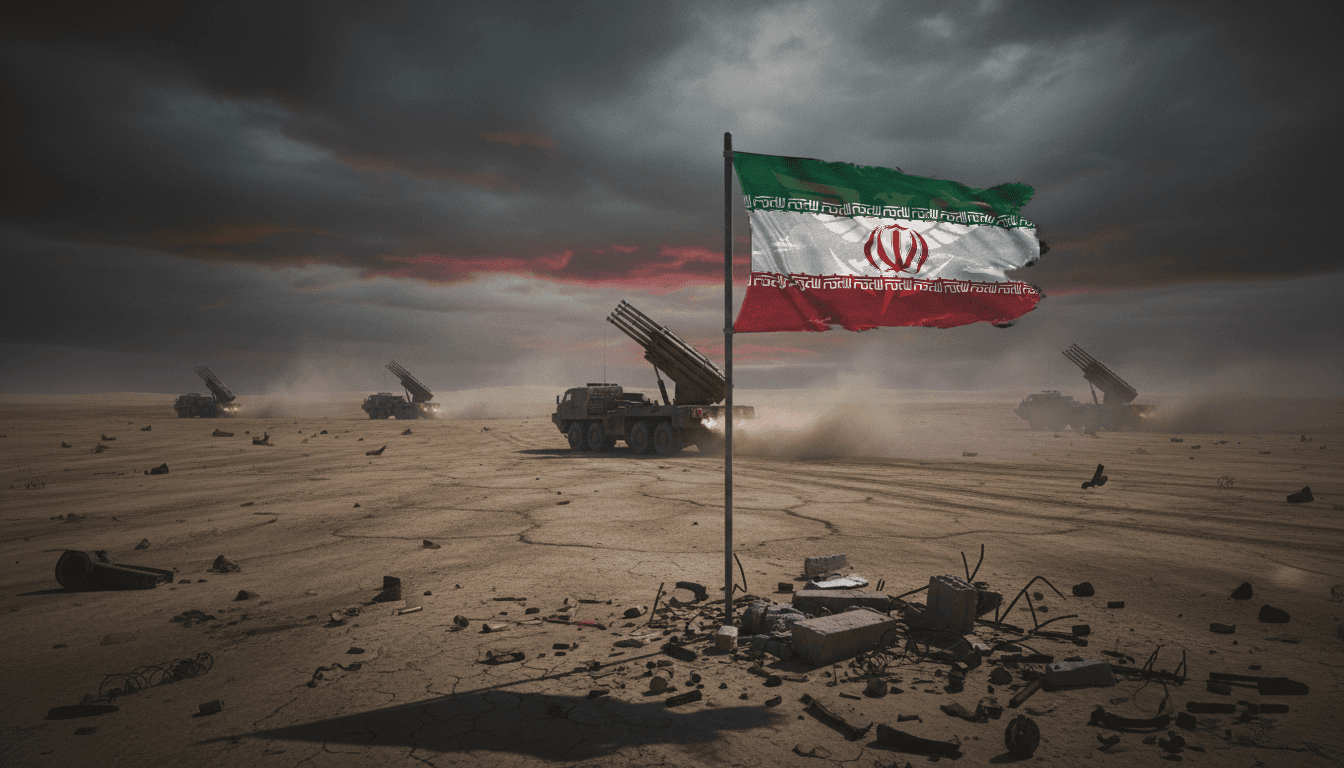
The Axis of Evil - Iran
The Axis of Evil - Iran
Nov 17, 2025
The Axis of Evil - Iran (Written by the Israel Digital Center. Date of writing: 11/10/25)
A clear overview of Iran’s “Axis of Evil” — its structure, purpose, and the regional forces behind it.
What Is the “Axis of Evil”?
The “Axis of Evil” is an informal alliance of states and organizations united around a common goal – violent opposition to the United States and Israel.
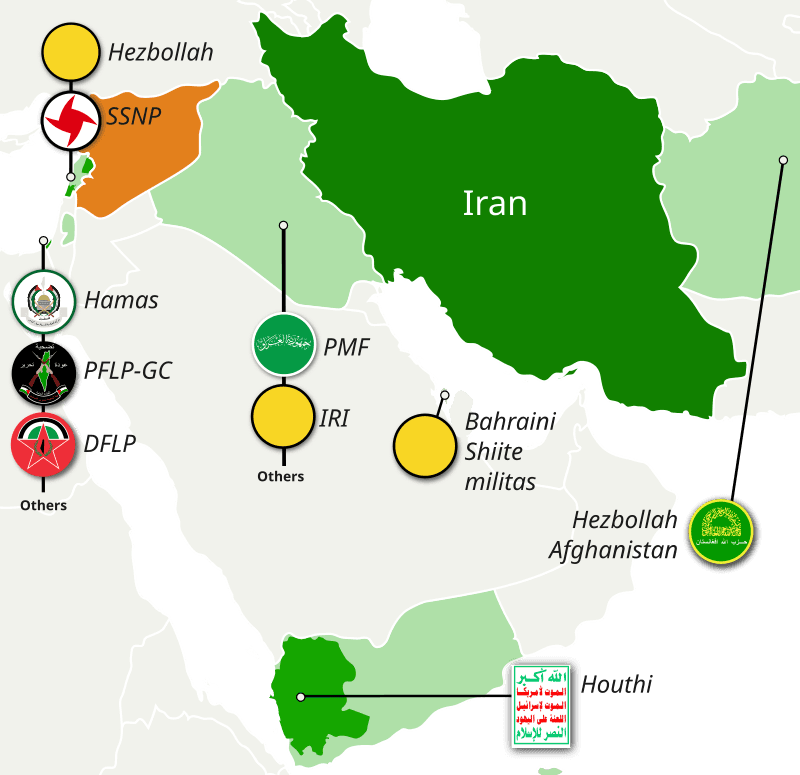
Iran leads it and includes mainly Shiite groups such as Hezbollah and the Houthis in Yemen. But it doesn’t end there – Sunni organizations like Hamas and the Palestinian Islamic Jihad have also joined the struggle, despite their religious differences, due to shared anti-Western, anti-Israeli, and anti-democratic ideologies.
How Did It All Begin?
It all began in 1979, when the Islamic Revolution in Iran transformed it from a pro-Western monarchy into an extremist Islamic state.
Since the revolution, Iran has sought to become the dominant power in the Middle East and to spread the ideas of its revolution.
To achieve these ambitions, Iran realized it needed to operate beyond its borders and build a network of allies and proxy organizations that would act on its behalf.
For this purpose, it invests heavily in terrorism: funding, weapons, training, and even intelligence. all to support its partners within the Axis and advance its strategic goals.
Where Does the Term “Axis of Evil” Come From?
The term “Axis of Evil” was coined by U.S. President George W. Bush after the 9/11 attacks, referring to states that promote terrorism and develop weapons of mass destruction.
The name recalls the “Axis Powers” of World War II that aligned with Nazi Germany, and “the Evil Empire”, the term used by U.S. President Ronald Reagan to describe the Soviet Union.
In recent years, the term has also been adopted by Western analysts to describe the alliance led by Iran, while in the Arab world it is referred to as the “Axis of Resistance.”
The Axis Strategy – the “Ring of Fire”
Iran does not stop at words. One of its main strategies is called the “Ring of Fire.”
It builds fronts in various countries surrounding Israel – such as Lebanon, Gaza, and Syria, aiming to weaken Israel from multiple directions.
The idea is that, at the right moment, all the organizations within the Axis will act together to attack Israel.
This strategy has allowed Iran to maintain continuous pressure on Israel, divert its focus, and simultaneously continue developing its nuclear program.
Dismantling the Axis – One Front at a Time
Over the past two years, since the beginning of the Iron Swords War, Israel has effectively dismantled the Iranian Axis.
Hamas, which launched the initial attack, is on the verge of collapse.
Hezbollah, which tried to join the campaign from the north, has suffered heavy losses and significant damage.
The Houthis in Yemen, who acted under the banner of “resistance for Gaza,” have sustained severe blows and are facing precise attacks by Israel and its allies.
The Assad regime in Syria has completely collapsed, and the pro-Iranian militias in Iraq are losing confidence and beginning to distance themselves from Tehran.
Iran, which for years led the so-called “Axis of Resistance,” now finds itself isolated and forced to face the consequences alone.
How Does It Affect Israel?
This Axis affects Israel in almost every dimension.
During the Iron Swords War, Iran sought to coordinate attacks on Israel from across the region, but the IDF managed to thwart most of the plans.
In addition, the threat posed by the Axis prompted Israel to strengthen its security ties with Sunni Arab countries such as Saudi Arabia, Bahrain, and the United Arab Emirates. forming a regional defense alliance.
Even in April 2024, during the unprecedented direct Iranian missile attack, these partner states worked alongside Israel to intercept the threat: a clear sign of a new regional alignment against the Iranian Axis.
The 12-Day War – The First Direct Confrontation Between Israel and Iran
In April 2025, the 12-Day War broke out — the first and largest confrontation ever recorded between Israel and Iran.
After years of indirect clashes through proxy organizations, Israel launched a large-scale campaign aimed at striking the core of Iran’s nuclear and ballistic missile programs.
The operation included hundreds of precision airstrikes, cyberattacks, and covert missions deep inside Iran. In its later stages, the United States joined the campaign and attacked sensitive nuclear facilities.
Within less than two weeks, the “Axis of Resistance” strategy that had been built over decades collapsed: nuclear facilities were disabled, Revolutionary Guard bases were hit, and Iran’s network of regional proxies was severely weakened.
Iran lost a substantial portion of its missile arsenal, and its deterrence capability was eroded.
The campaign was conducted in a focused and limited manner, aiming to deter rather than escalate.
By its end, Israel had reaffirmed its military superiority and made it clear that an Iranian nuclear threat would not be tolerated, while the world faced a weakened and increasingly isolated Iran.
The Iranian Axis still exists, but after the 12-Day War, the regional balance has clearly shifted.
Iran has lost much of its grip and intimidation power, while Israel has proven that even against a coordinated regional threat, determination and precise strength can change the rules of the game.
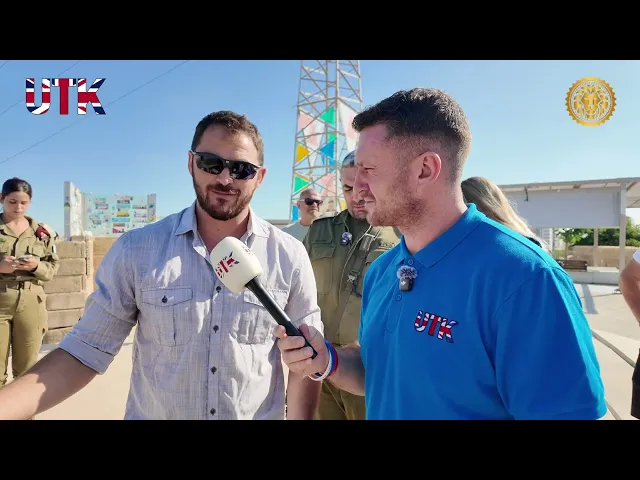
A former paratrooper and reserve commander takes us from the frontlines to the world stage — describing life in Sderot, fighting inside Gaza (Machon Al-Quds, Nuseirat, Beit Hanoun) and the trauma of October 7. He explains how close Gaza is to Israeli towns, recalls the 2005 Gush Katif withdrawal, and shares raw, personal scenes from months spent in active combat — then returning home to face a different battle: the rise of antisemitism worldwide. What you’ll hear in this video: • A frontline commander’s personal testimony about October 7 and the months that followed. • Firsthand descriptions of operations in Gaza (Nuseirat, Beit Hanoun) and daily threats from tunnels and armed militants. • Reflections on the 2005 Gaza withdrawal (Gush Katif) and what it meant for local communities. • The psychological shift from military duty back to civilian life and confronting global antisemitism.
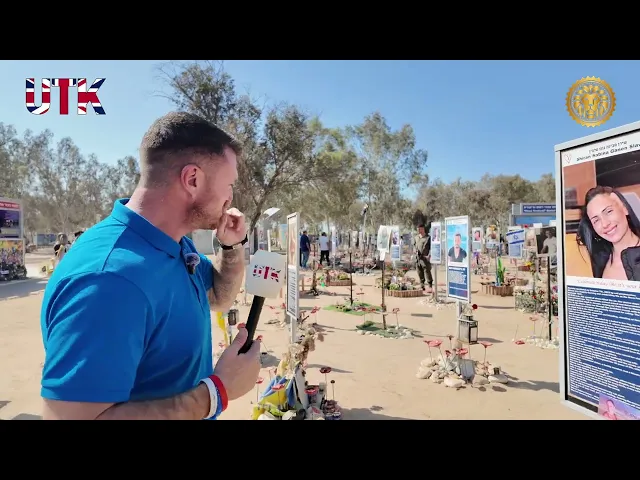
Tommy Robinson visits Re’im, the site of the Nova Festival massacre, during the two-year memorial of the October 7th atrocities. Hear the harrowing first-hand testimonies of survivors and witnesses as they recount what truly happened when Hamas terrorists attacked innocent festivalgoers. This is the raw, unfiltered truth of that dark day, as told by those who lived through it.

After watching previously unseen footage showing the massacre of 110 innocent people by Hamas on October 7th, Tommy Robinson shares his raw reaction and reflections. He speaks about what he witnessed, the mindset behind the attacks, and how the reality on the ground in Israel differs from what much of the media shows. This is not easy to watch — but it’s an honest account of what he saw and why he believes the world needs to understand the true nature of this conflict.

Today I visited the Kibbutz closest to the Gaza border. Where some 5,000 Hamas jihadist scum launched their attack on Israeli citizens on October 7th. I speak to this brave gentleman, Thomas Hand, whose 8 year old daughter was kidnapped by the terror group that day. Listen to the harrowing testimony of a father, one story, amongst thousands. Thank you for sharing your experience Thomas. This video is not for the feint of heart.

In this explosive interview, Amichai Chikli Minister of Diaspora Affairs of Israel delivers a powerful warning about the rise of radical Islam and the Muslim Brotherhood’s dangerous global ambitions, from establishing a Caliphate to imposing Sharia law across Europe and beyond. He slams the UK’s Labour government under Keir Starmer for its "fear-driven" approach to extremism, drawing chilling parallels to appeasement tactics before WWII. Discover why he believes Britain must act decisively to avoid a catastrophic wake-up call. Join the conversation on this critical fight for freedom and democracy!
A former paratrooper and reserve commander takes us from the frontlines to the world stage — describing life in Sderot, fighting inside Gaza (Machon Al-Quds, Nuseirat, Beit Hanoun) and the trauma of October 7. He explains how close Gaza is to Israeli towns, recalls the 2005 Gush Katif withdrawal, and shares raw, personal scenes from months spent in active combat — then returning home to face a different battle: the rise of antisemitism worldwide. What you’ll hear in this video: • A frontline commander’s personal testimony about October 7 and the months that followed. • Firsthand descriptions of operations in Gaza (Nuseirat, Beit Hanoun) and daily threats from tunnels and armed militants. • Reflections on the 2005 Gaza withdrawal (Gush Katif) and what it meant for local communities. • The psychological shift from military duty back to civilian life and confronting global antisemitism.
Tommy Robinson visits Re’im, the site of the Nova Festival massacre, during the two-year memorial of the October 7th atrocities. Hear the harrowing first-hand testimonies of survivors and witnesses as they recount what truly happened when Hamas terrorists attacked innocent festivalgoers. This is the raw, unfiltered truth of that dark day, as told by those who lived through it.
After watching previously unseen footage showing the massacre of 110 innocent people by Hamas on October 7th, Tommy Robinson shares his raw reaction and reflections. He speaks about what he witnessed, the mindset behind the attacks, and how the reality on the ground in Israel differs from what much of the media shows. This is not easy to watch — but it’s an honest account of what he saw and why he believes the world needs to understand the true nature of this conflict.
Today I visited the Kibbutz closest to the Gaza border. Where some 5,000 Hamas jihadist scum launched their attack on Israeli citizens on October 7th. I speak to this brave gentleman, Thomas Hand, whose 8 year old daughter was kidnapped by the terror group that day. Listen to the harrowing testimony of a father, one story, amongst thousands. Thank you for sharing your experience Thomas. This video is not for the feint of heart.
In this explosive interview, Amichai Chikli Minister of Diaspora Affairs of Israel delivers a powerful warning about the rise of radical Islam and the Muslim Brotherhood’s dangerous global ambitions, from establishing a Caliphate to imposing Sharia law across Europe and beyond. He slams the UK’s Labour government under Keir Starmer for its "fear-driven" approach to extremism, drawing chilling parallels to appeasement tactics before WWII. Discover why he believes Britain must act decisively to avoid a catastrophic wake-up call. Join the conversation on this critical fight for freedom and democracy!
A former paratrooper and reserve commander takes us from the frontlines to the world stage — describing life in Sderot, fighting inside Gaza (Machon Al-Quds, Nuseirat, Beit Hanoun) and the trauma of October 7. He explains how close Gaza is to Israeli towns, recalls the 2005 Gush Katif withdrawal, and shares raw, personal scenes from months spent in active combat — then returning home to face a different battle: the rise of antisemitism worldwide. What you’ll hear in this video: • A frontline commander’s personal testimony about October 7 and the months that followed. • Firsthand descriptions of operations in Gaza (Nuseirat, Beit Hanoun) and daily threats from tunnels and armed militants. • Reflections on the 2005 Gaza withdrawal (Gush Katif) and what it meant for local communities. • The psychological shift from military duty back to civilian life and confronting global antisemitism.
Tommy Robinson visits Re’im, the site of the Nova Festival massacre, during the two-year memorial of the October 7th atrocities. Hear the harrowing first-hand testimonies of survivors and witnesses as they recount what truly happened when Hamas terrorists attacked innocent festivalgoers. This is the raw, unfiltered truth of that dark day, as told by those who lived through it.
After watching previously unseen footage showing the massacre of 110 innocent people by Hamas on October 7th, Tommy Robinson shares his raw reaction and reflections. He speaks about what he witnessed, the mindset behind the attacks, and how the reality on the ground in Israel differs from what much of the media shows. This is not easy to watch — but it’s an honest account of what he saw and why he believes the world needs to understand the true nature of this conflict.
Today I visited the Kibbutz closest to the Gaza border. Where some 5,000 Hamas jihadist scum launched their attack on Israeli citizens on October 7th. I speak to this brave gentleman, Thomas Hand, whose 8 year old daughter was kidnapped by the terror group that day. Listen to the harrowing testimony of a father, one story, amongst thousands. Thank you for sharing your experience Thomas. This video is not for the feint of heart.
In this explosive interview, Amichai Chikli Minister of Diaspora Affairs of Israel delivers a powerful warning about the rise of radical Islam and the Muslim Brotherhood’s dangerous global ambitions, from establishing a Caliphate to imposing Sharia law across Europe and beyond. He slams the UK’s Labour government under Keir Starmer for its "fear-driven" approach to extremism, drawing chilling parallels to appeasement tactics before WWII. Discover why he believes Britain must act decisively to avoid a catastrophic wake-up call. Join the conversation on this critical fight for freedom and democracy!
A former paratrooper and reserve commander takes us from the frontlines to the world stage — describing life in Sderot, fighting inside Gaza (Machon Al-Quds, Nuseirat, Beit Hanoun) and the trauma of October 7. He explains how close Gaza is to Israeli towns, recalls the 2005 Gush Katif withdrawal, and shares raw, personal scenes from months spent in active combat — then returning home to face a different battle: the rise of antisemitism worldwide. What you’ll hear in this video: • A frontline commander’s personal testimony about October 7 and the months that followed. • Firsthand descriptions of operations in Gaza (Nuseirat, Beit Hanoun) and daily threats from tunnels and armed militants. • Reflections on the 2005 Gaza withdrawal (Gush Katif) and what it meant for local communities. • The psychological shift from military duty back to civilian life and confronting global antisemitism.
Tommy Robinson visits Re’im, the site of the Nova Festival massacre, during the two-year memorial of the October 7th atrocities. Hear the harrowing first-hand testimonies of survivors and witnesses as they recount what truly happened when Hamas terrorists attacked innocent festivalgoers. This is the raw, unfiltered truth of that dark day, as told by those who lived through it.
After watching previously unseen footage showing the massacre of 110 innocent people by Hamas on October 7th, Tommy Robinson shares his raw reaction and reflections. He speaks about what he witnessed, the mindset behind the attacks, and how the reality on the ground in Israel differs from what much of the media shows. This is not easy to watch — but it’s an honest account of what he saw and why he believes the world needs to understand the true nature of this conflict.
Today I visited the Kibbutz closest to the Gaza border. Where some 5,000 Hamas jihadist scum launched their attack on Israeli citizens on October 7th. I speak to this brave gentleman, Thomas Hand, whose 8 year old daughter was kidnapped by the terror group that day. Listen to the harrowing testimony of a father, one story, amongst thousands. Thank you for sharing your experience Thomas. This video is not for the feint of heart.
In this explosive interview, Amichai Chikli Minister of Diaspora Affairs of Israel delivers a powerful warning about the rise of radical Islam and the Muslim Brotherhood’s dangerous global ambitions, from establishing a Caliphate to imposing Sharia law across Europe and beyond. He slams the UK’s Labour government under Keir Starmer for its "fear-driven" approach to extremism, drawing chilling parallels to appeasement tactics before WWII. Discover why he believes Britain must act decisively to avoid a catastrophic wake-up call. Join the conversation on this critical fight for freedom and democracy!
A former paratrooper and reserve commander takes us from the frontlines to the world stage — describing life in Sderot, fighting inside Gaza (Machon Al-Quds, Nuseirat, Beit Hanoun) and the trauma of October 7. He explains how close Gaza is to Israeli towns, recalls the 2005 Gush Katif withdrawal, and shares raw, personal scenes from months spent in active combat — then returning home to face a different battle: the rise of antisemitism worldwide. What you’ll hear in this video: • A frontline commander’s personal testimony about October 7 and the months that followed. • Firsthand descriptions of operations in Gaza (Nuseirat, Beit Hanoun) and daily threats from tunnels and armed militants. • Reflections on the 2005 Gaza withdrawal (Gush Katif) and what it meant for local communities. • The psychological shift from military duty back to civilian life and confronting global antisemitism.
Tommy Robinson visits Re’im, the site of the Nova Festival massacre, during the two-year memorial of the October 7th atrocities. Hear the harrowing first-hand testimonies of survivors and witnesses as they recount what truly happened when Hamas terrorists attacked innocent festivalgoers. This is the raw, unfiltered truth of that dark day, as told by those who lived through it.
After watching previously unseen footage showing the massacre of 110 innocent people by Hamas on October 7th, Tommy Robinson shares his raw reaction and reflections. He speaks about what he witnessed, the mindset behind the attacks, and how the reality on the ground in Israel differs from what much of the media shows. This is not easy to watch — but it’s an honest account of what he saw and why he believes the world needs to understand the true nature of this conflict.
Today I visited the Kibbutz closest to the Gaza border. Where some 5,000 Hamas jihadist scum launched their attack on Israeli citizens on October 7th. I speak to this brave gentleman, Thomas Hand, whose 8 year old daughter was kidnapped by the terror group that day. Listen to the harrowing testimony of a father, one story, amongst thousands. Thank you for sharing your experience Thomas. This video is not for the feint of heart.
In this explosive interview, Amichai Chikli Minister of Diaspora Affairs of Israel delivers a powerful warning about the rise of radical Islam and the Muslim Brotherhood’s dangerous global ambitions, from establishing a Caliphate to imposing Sharia law across Europe and beyond. He slams the UK’s Labour government under Keir Starmer for its "fear-driven" approach to extremism, drawing chilling parallels to appeasement tactics before WWII. Discover why he believes Britain must act decisively to avoid a catastrophic wake-up call. Join the conversation on this critical fight for freedom and democracy!
A former paratrooper and reserve commander takes us from the frontlines to the world stage — describing life in Sderot, fighting inside Gaza (Machon Al-Quds, Nuseirat, Beit Hanoun) and the trauma of October 7. He explains how close Gaza is to Israeli towns, recalls the 2005 Gush Katif withdrawal, and shares raw, personal scenes from months spent in active combat — then returning home to face a different battle: the rise of antisemitism worldwide. What you’ll hear in this video: • A frontline commander’s personal testimony about October 7 and the months that followed. • Firsthand descriptions of operations in Gaza (Nuseirat, Beit Hanoun) and daily threats from tunnels and armed militants. • Reflections on the 2005 Gaza withdrawal (Gush Katif) and what it meant for local communities. • The psychological shift from military duty back to civilian life and confronting global antisemitism.
Tommy Robinson visits Re’im, the site of the Nova Festival massacre, during the two-year memorial of the October 7th atrocities. Hear the harrowing first-hand testimonies of survivors and witnesses as they recount what truly happened when Hamas terrorists attacked innocent festivalgoers. This is the raw, unfiltered truth of that dark day, as told by those who lived through it.
After watching previously unseen footage showing the massacre of 110 innocent people by Hamas on October 7th, Tommy Robinson shares his raw reaction and reflections. He speaks about what he witnessed, the mindset behind the attacks, and how the reality on the ground in Israel differs from what much of the media shows. This is not easy to watch — but it’s an honest account of what he saw and why he believes the world needs to understand the true nature of this conflict.
Today I visited the Kibbutz closest to the Gaza border. Where some 5,000 Hamas jihadist scum launched their attack on Israeli citizens on October 7th. I speak to this brave gentleman, Thomas Hand, whose 8 year old daughter was kidnapped by the terror group that day. Listen to the harrowing testimony of a father, one story, amongst thousands. Thank you for sharing your experience Thomas. This video is not for the feint of heart.
In this explosive interview, Amichai Chikli Minister of Diaspora Affairs of Israel delivers a powerful warning about the rise of radical Islam and the Muslim Brotherhood’s dangerous global ambitions, from establishing a Caliphate to imposing Sharia law across Europe and beyond. He slams the UK’s Labour government under Keir Starmer for its "fear-driven" approach to extremism, drawing chilling parallels to appeasement tactics before WWII. Discover why he believes Britain must act decisively to avoid a catastrophic wake-up call. Join the conversation on this critical fight for freedom and democracy!
A former paratrooper and reserve commander takes us from the frontlines to the world stage — describing life in Sderot, fighting inside Gaza (Machon Al-Quds, Nuseirat, Beit Hanoun) and the trauma of October 7. He explains how close Gaza is to Israeli towns, recalls the 2005 Gush Katif withdrawal, and shares raw, personal scenes from months spent in active combat — then returning home to face a different battle: the rise of antisemitism worldwide. What you’ll hear in this video: • A frontline commander’s personal testimony about October 7 and the months that followed. • Firsthand descriptions of operations in Gaza (Nuseirat, Beit Hanoun) and daily threats from tunnels and armed militants. • Reflections on the 2005 Gaza withdrawal (Gush Katif) and what it meant for local communities. • The psychological shift from military duty back to civilian life and confronting global antisemitism.
Tommy Robinson visits Re’im, the site of the Nova Festival massacre, during the two-year memorial of the October 7th atrocities. Hear the harrowing first-hand testimonies of survivors and witnesses as they recount what truly happened when Hamas terrorists attacked innocent festivalgoers. This is the raw, unfiltered truth of that dark day, as told by those who lived through it.
After watching previously unseen footage showing the massacre of 110 innocent people by Hamas on October 7th, Tommy Robinson shares his raw reaction and reflections. He speaks about what he witnessed, the mindset behind the attacks, and how the reality on the ground in Israel differs from what much of the media shows. This is not easy to watch — but it’s an honest account of what he saw and why he believes the world needs to understand the true nature of this conflict.
Today I visited the Kibbutz closest to the Gaza border. Where some 5,000 Hamas jihadist scum launched their attack on Israeli citizens on October 7th. I speak to this brave gentleman, Thomas Hand, whose 8 year old daughter was kidnapped by the terror group that day. Listen to the harrowing testimony of a father, one story, amongst thousands. Thank you for sharing your experience Thomas. This video is not for the feint of heart.
In this explosive interview, Amichai Chikli Minister of Diaspora Affairs of Israel delivers a powerful warning about the rise of radical Islam and the Muslim Brotherhood’s dangerous global ambitions, from establishing a Caliphate to imposing Sharia law across Europe and beyond. He slams the UK’s Labour government under Keir Starmer for its "fear-driven" approach to extremism, drawing chilling parallels to appeasement tactics before WWII. Discover why he believes Britain must act decisively to avoid a catastrophic wake-up call. Join the conversation on this critical fight for freedom and democracy!
A former paratrooper and reserve commander takes us from the frontlines to the world stage — describing life in Sderot, fighting inside Gaza (Machon Al-Quds, Nuseirat, Beit Hanoun) and the trauma of October 7. He explains how close Gaza is to Israeli towns, recalls the 2005 Gush Katif withdrawal, and shares raw, personal scenes from months spent in active combat — then returning home to face a different battle: the rise of antisemitism worldwide. What you’ll hear in this video: • A frontline commander’s personal testimony about October 7 and the months that followed. • Firsthand descriptions of operations in Gaza (Nuseirat, Beit Hanoun) and daily threats from tunnels and armed militants. • Reflections on the 2005 Gaza withdrawal (Gush Katif) and what it meant for local communities. • The psychological shift from military duty back to civilian life and confronting global antisemitism.
Tommy Robinson visits Re’im, the site of the Nova Festival massacre, during the two-year memorial of the October 7th atrocities. Hear the harrowing first-hand testimonies of survivors and witnesses as they recount what truly happened when Hamas terrorists attacked innocent festivalgoers. This is the raw, unfiltered truth of that dark day, as told by those who lived through it.
After watching previously unseen footage showing the massacre of 110 innocent people by Hamas on October 7th, Tommy Robinson shares his raw reaction and reflections. He speaks about what he witnessed, the mindset behind the attacks, and how the reality on the ground in Israel differs from what much of the media shows. This is not easy to watch — but it’s an honest account of what he saw and why he believes the world needs to understand the true nature of this conflict.
Today I visited the Kibbutz closest to the Gaza border. Where some 5,000 Hamas jihadist scum launched their attack on Israeli citizens on October 7th. I speak to this brave gentleman, Thomas Hand, whose 8 year old daughter was kidnapped by the terror group that day. Listen to the harrowing testimony of a father, one story, amongst thousands. Thank you for sharing your experience Thomas. This video is not for the feint of heart.
In this explosive interview, Amichai Chikli Minister of Diaspora Affairs of Israel delivers a powerful warning about the rise of radical Islam and the Muslim Brotherhood’s dangerous global ambitions, from establishing a Caliphate to imposing Sharia law across Europe and beyond. He slams the UK’s Labour government under Keir Starmer for its "fear-driven" approach to extremism, drawing chilling parallels to appeasement tactics before WWII. Discover why he believes Britain must act decisively to avoid a catastrophic wake-up call. Join the conversation on this critical fight for freedom and democracy!
A former paratrooper and reserve commander takes us from the frontlines to the world stage — describing life in Sderot, fighting inside Gaza (Machon Al-Quds, Nuseirat, Beit Hanoun) and the trauma of October 7. He explains how close Gaza is to Israeli towns, recalls the 2005 Gush Katif withdrawal, and shares raw, personal scenes from months spent in active combat — then returning home to face a different battle: the rise of antisemitism worldwide. What you’ll hear in this video: • A frontline commander’s personal testimony about October 7 and the months that followed. • Firsthand descriptions of operations in Gaza (Nuseirat, Beit Hanoun) and daily threats from tunnels and armed militants. • Reflections on the 2005 Gaza withdrawal (Gush Katif) and what it meant for local communities. • The psychological shift from military duty back to civilian life and confronting global antisemitism.
Tommy Robinson visits Re’im, the site of the Nova Festival massacre, during the two-year memorial of the October 7th atrocities. Hear the harrowing first-hand testimonies of survivors and witnesses as they recount what truly happened when Hamas terrorists attacked innocent festivalgoers. This is the raw, unfiltered truth of that dark day, as told by those who lived through it.
After watching previously unseen footage showing the massacre of 110 innocent people by Hamas on October 7th, Tommy Robinson shares his raw reaction and reflections. He speaks about what he witnessed, the mindset behind the attacks, and how the reality on the ground in Israel differs from what much of the media shows. This is not easy to watch — but it’s an honest account of what he saw and why he believes the world needs to understand the true nature of this conflict.
Today I visited the Kibbutz closest to the Gaza border. Where some 5,000 Hamas jihadist scum launched their attack on Israeli citizens on October 7th. I speak to this brave gentleman, Thomas Hand, whose 8 year old daughter was kidnapped by the terror group that day. Listen to the harrowing testimony of a father, one story, amongst thousands. Thank you for sharing your experience Thomas. This video is not for the feint of heart.
In this explosive interview, Amichai Chikli Minister of Diaspora Affairs of Israel delivers a powerful warning about the rise of radical Islam and the Muslim Brotherhood’s dangerous global ambitions, from establishing a Caliphate to imposing Sharia law across Europe and beyond. He slams the UK’s Labour government under Keir Starmer for its "fear-driven" approach to extremism, drawing chilling parallels to appeasement tactics before WWII. Discover why he believes Britain must act decisively to avoid a catastrophic wake-up call. Join the conversation on this critical fight for freedom and democracy!
A former paratrooper and reserve commander takes us from the frontlines to the world stage — describing life in Sderot, fighting inside Gaza (Machon Al-Quds, Nuseirat, Beit Hanoun) and the trauma of October 7. He explains how close Gaza is to Israeli towns, recalls the 2005 Gush Katif withdrawal, and shares raw, personal scenes from months spent in active combat — then returning home to face a different battle: the rise of antisemitism worldwide. What you’ll hear in this video: • A frontline commander’s personal testimony about October 7 and the months that followed. • Firsthand descriptions of operations in Gaza (Nuseirat, Beit Hanoun) and daily threats from tunnels and armed militants. • Reflections on the 2005 Gaza withdrawal (Gush Katif) and what it meant for local communities. • The psychological shift from military duty back to civilian life and confronting global antisemitism.
Tommy Robinson visits Re’im, the site of the Nova Festival massacre, during the two-year memorial of the October 7th atrocities. Hear the harrowing first-hand testimonies of survivors and witnesses as they recount what truly happened when Hamas terrorists attacked innocent festivalgoers. This is the raw, unfiltered truth of that dark day, as told by those who lived through it.
After watching previously unseen footage showing the massacre of 110 innocent people by Hamas on October 7th, Tommy Robinson shares his raw reaction and reflections. He speaks about what he witnessed, the mindset behind the attacks, and how the reality on the ground in Israel differs from what much of the media shows. This is not easy to watch — but it’s an honest account of what he saw and why he believes the world needs to understand the true nature of this conflict.
Today I visited the Kibbutz closest to the Gaza border. Where some 5,000 Hamas jihadist scum launched their attack on Israeli citizens on October 7th. I speak to this brave gentleman, Thomas Hand, whose 8 year old daughter was kidnapped by the terror group that day. Listen to the harrowing testimony of a father, one story, amongst thousands. Thank you for sharing your experience Thomas. This video is not for the feint of heart.
In this explosive interview, Amichai Chikli Minister of Diaspora Affairs of Israel delivers a powerful warning about the rise of radical Islam and the Muslim Brotherhood’s dangerous global ambitions, from establishing a Caliphate to imposing Sharia law across Europe and beyond. He slams the UK’s Labour government under Keir Starmer for its "fear-driven" approach to extremism, drawing chilling parallels to appeasement tactics before WWII. Discover why he believes Britain must act decisively to avoid a catastrophic wake-up call. Join the conversation on this critical fight for freedom and democracy!
A former paratrooper and reserve commander takes us from the frontlines to the world stage — describing life in Sderot, fighting inside Gaza (Machon Al-Quds, Nuseirat, Beit Hanoun) and the trauma of October 7. He explains how close Gaza is to Israeli towns, recalls the 2005 Gush Katif withdrawal, and shares raw, personal scenes from months spent in active combat — then returning home to face a different battle: the rise of antisemitism worldwide. What you’ll hear in this video: • A frontline commander’s personal testimony about October 7 and the months that followed. • Firsthand descriptions of operations in Gaza (Nuseirat, Beit Hanoun) and daily threats from tunnels and armed militants. • Reflections on the 2005 Gaza withdrawal (Gush Katif) and what it meant for local communities. • The psychological shift from military duty back to civilian life and confronting global antisemitism.
Tommy Robinson visits Re’im, the site of the Nova Festival massacre, during the two-year memorial of the October 7th atrocities. Hear the harrowing first-hand testimonies of survivors and witnesses as they recount what truly happened when Hamas terrorists attacked innocent festivalgoers. This is the raw, unfiltered truth of that dark day, as told by those who lived through it.
After watching previously unseen footage showing the massacre of 110 innocent people by Hamas on October 7th, Tommy Robinson shares his raw reaction and reflections. He speaks about what he witnessed, the mindset behind the attacks, and how the reality on the ground in Israel differs from what much of the media shows. This is not easy to watch — but it’s an honest account of what he saw and why he believes the world needs to understand the true nature of this conflict.
Today I visited the Kibbutz closest to the Gaza border. Where some 5,000 Hamas jihadist scum launched their attack on Israeli citizens on October 7th. I speak to this brave gentleman, Thomas Hand, whose 8 year old daughter was kidnapped by the terror group that day. Listen to the harrowing testimony of a father, one story, amongst thousands. Thank you for sharing your experience Thomas. This video is not for the feint of heart.
In this explosive interview, Amichai Chikli Minister of Diaspora Affairs of Israel delivers a powerful warning about the rise of radical Islam and the Muslim Brotherhood’s dangerous global ambitions, from establishing a Caliphate to imposing Sharia law across Europe and beyond. He slams the UK’s Labour government under Keir Starmer for its "fear-driven" approach to extremism, drawing chilling parallels to appeasement tactics before WWII. Discover why he believes Britain must act decisively to avoid a catastrophic wake-up call. Join the conversation on this critical fight for freedom and democracy!
A former paratrooper and reserve commander takes us from the frontlines to the world stage — describing life in Sderot, fighting inside Gaza (Machon Al-Quds, Nuseirat, Beit Hanoun) and the trauma of October 7. He explains how close Gaza is to Israeli towns, recalls the 2005 Gush Katif withdrawal, and shares raw, personal scenes from months spent in active combat — then returning home to face a different battle: the rise of antisemitism worldwide. What you’ll hear in this video: • A frontline commander’s personal testimony about October 7 and the months that followed. • Firsthand descriptions of operations in Gaza (Nuseirat, Beit Hanoun) and daily threats from tunnels and armed militants. • Reflections on the 2005 Gaza withdrawal (Gush Katif) and what it meant for local communities. • The psychological shift from military duty back to civilian life and confronting global antisemitism.
Tommy Robinson visits Re’im, the site of the Nova Festival massacre, during the two-year memorial of the October 7th atrocities. Hear the harrowing first-hand testimonies of survivors and witnesses as they recount what truly happened when Hamas terrorists attacked innocent festivalgoers. This is the raw, unfiltered truth of that dark day, as told by those who lived through it.
After watching previously unseen footage showing the massacre of 110 innocent people by Hamas on October 7th, Tommy Robinson shares his raw reaction and reflections. He speaks about what he witnessed, the mindset behind the attacks, and how the reality on the ground in Israel differs from what much of the media shows. This is not easy to watch — but it’s an honest account of what he saw and why he believes the world needs to understand the true nature of this conflict.
Today I visited the Kibbutz closest to the Gaza border. Where some 5,000 Hamas jihadist scum launched their attack on Israeli citizens on October 7th. I speak to this brave gentleman, Thomas Hand, whose 8 year old daughter was kidnapped by the terror group that day. Listen to the harrowing testimony of a father, one story, amongst thousands. Thank you for sharing your experience Thomas. This video is not for the feint of heart.
In this explosive interview, Amichai Chikli Minister of Diaspora Affairs of Israel delivers a powerful warning about the rise of radical Islam and the Muslim Brotherhood’s dangerous global ambitions, from establishing a Caliphate to imposing Sharia law across Europe and beyond. He slams the UK’s Labour government under Keir Starmer for its "fear-driven" approach to extremism, drawing chilling parallels to appeasement tactics before WWII. Discover why he believes Britain must act decisively to avoid a catastrophic wake-up call. Join the conversation on this critical fight for freedom and democracy!

Contact Us
Contact Us
Writers, other artists who are interested in taking part, we are here for any request, question, or idea

About us
Lorem ipsum dolor sit amet, consectetur adipiscing elit. Aliquam sodales orci nec quam fringilla, in viverra nisl viverra. Pellentesque quis erat dolor. In elementum egestas fringilla.
Lorem ipsum dolor sit amet, consectetur adipiscing elit. Aliquam sodales orci nec quam fringilla, in viverra nisl viverra. Pellentesque quis erat dolor. In elementum egestas fringilla.
All rights reserved to Israel Digital Center | Official Website 2025
All rights reserved to Israel Digital Center | Official Website 2025
ISRAEL DIGITAL CENTER




Follow us
About us
Lorem ipsum dolor sit amet, consectetur adipiscing elit. Aliquam sodales orci nec quam fringilla, in viverra nisl viverra. Pellentesque quis erat dolor. In elementum egestas fringilla.
All rights reserved to Israel Digital Center
| Official Website 2025