



Nov 17, 2025
Who Are the Houthis? Understanding the Houthis:
their ideology, power, and growing involvement
in the regional conflict.
Meet the Houthis
(Written by the Israel Digital Center. Date of writing: 11/10/25)
The Houthis are a Shiite terrorist organization founded in northwestern Yemen in 1992 by Hussein al-Houthi. Today, the group is led by his son, Abdul-Malik al-Houthi. Their goal is to expand Shiite influence in Yemen and across the region, while fiercely opposing Sunni groups and Western powers.
What does their logo represent?
The Houthis’ logo and slogans reflect the movement’s extremist ideology:
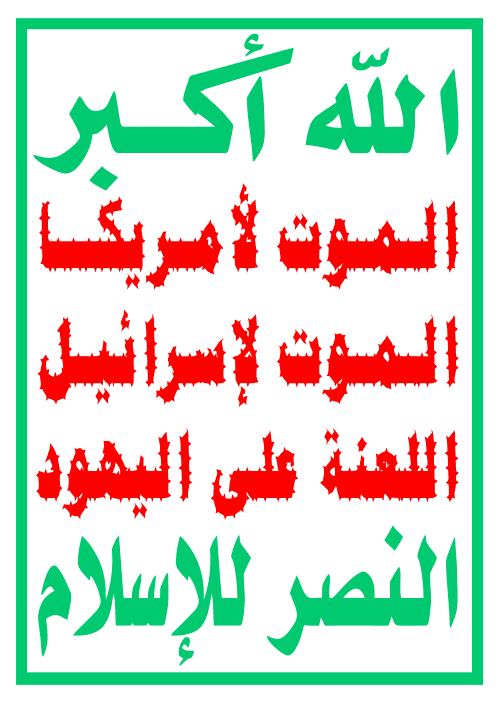
“God is the Greatest”
“Death to America”
“Death to Israel”
“Curse upon the Jews”
“Victory to Islam”
Not exactly a message of peace. These slogans are the movement’s mantra, representing its radical worldview — anti-Western, anti-Israeli, and openly antisemitic.
Their goals and ideology
The Houthis aim to turn Yemen into a strong and influential Shiite stronghold. They seek to impose their religious-political ideology on the country and eliminate any foreign influence. Their list of enemies includes Sunni nations such as Saudi Arabia, Sunni Islamist groups like ISIS and al-Qaeda, and of course, the United States and Israel.
Military strength and Iranian backing
Estimates of the Houthis’ military power vary across sources, but reports indicate a large force numbering between 350,000 and 500,000 fighters. They possess armed units, advanced missile and drone capabilities, and local military infrastructure that enables prolonged warfare and maritime attacks.
Behind them stands Iran, supporting the group through weapons supplies, tactical upgrades, and technical training. Intelligence reports show that this support extends beyond arms shipments — it includes the transfer of technical knowledge in intelligence gathering, drone operation, and missile system design. There are also reports of training and flight exercises outside Yemen, which have enhanced their operational capabilities. Iranian support allows the Houthis to launch rapid strikes, fire barrages of missiles and drones, and conduct long-range naval operations.
The Houthis on the international stage and the Iron Swords War
During the Iron Swords War, the Houthis declared war on Israel, launched missiles toward civilian targets, and expressed support for the Hamas terrorist organization and Hezbollah. They also attacked Western commercial ships in the Red Sea, prompting the United States to form an international coalition to secure global shipping routes.
Between March and May 2025, the United States and its allies carried out air and naval strikes against Houthi targets in Yemen to reduce their ability to attack civilian vessels and disrupt their military infrastructure. After weeks of strikes, a ceasefire agreement was signed in May 2025, leading to a temporary halt of American and British attacks in exchange for a Houthi commitment to stop systematically targeting commercial ships.
Despite the ceasefire with the United States, the Houthis continue to launch rockets and drones toward Israeli civilians — often in direct coordination with Iran. In response, the Israeli Air Force has struck Houthi command centers and military sites in Yemen.
The civil war in Yemen
The Houthis began acting to overthrow Yemen’s government as early as 2004, later joining the wave of the “Arab Spring” in 2011. Through violent resistance,they helped topple the Yemeni regime. In 2014, they captured the capital, Sana’a, and declared a coup. Since then, Yemen has been mired in civil war. A Saudi-led coalition has tried to push them back since 2015, but with little success — the fighting continues to this day.
Systematic human rights violations
The Houthis are accused of severe crimes against civilians, including torture, the exploitation of women and children, and the enslavement of vulnerable groups. Reports indicate they have revived forms of slavery in Yemen — women are kidnapped and exploited as sex slaves, and children are recruited to fight and used as human shields.
They also persecute minorities, including the LGBTQ+ community, sentencing members to imprisonment or even death. In addition, they carry out political arrests, restrict humanitarian organizations, use landmines in civilian areas, and steal humanitarian aid meant for civilians.
Their attacks on UNRWA buildings and the arrest of aid workers in recent years have deepened the humanitarian disaster in the country.
International legislation and sanctions
In recent years, countries and international organizations have hardened their stance toward the Houthis. The United States has designated them a foreign terrorist organization and continues to impose sanctions on their financial networks and trade operations. Other nations and global trade bodies are considering additional economic and legal measures to curb their activities. These sanctions limit the Houthis’ ability to raise funds and maintain external connections.
The situation in Yemen today
Yemen remains one of the poorest countries in the world, suffering from extreme hunger, severe shortages of water and medicine, and millions of civilians struggling to survive. The United Nations describes the war there as the world’s worst humanitarian crisis.


Writers, other artists who are interested in taking part, we are here for any request, question, or idea