

Nov 17, 2025
The Israel–Jordan Peace Treaty: From Longtime Enemies to Strategic Partners (Written by the Israel Digital Center. Date of writing: 11/10/25)
A historic agreement that reshaped the Middle East and continues to stand the test of time.
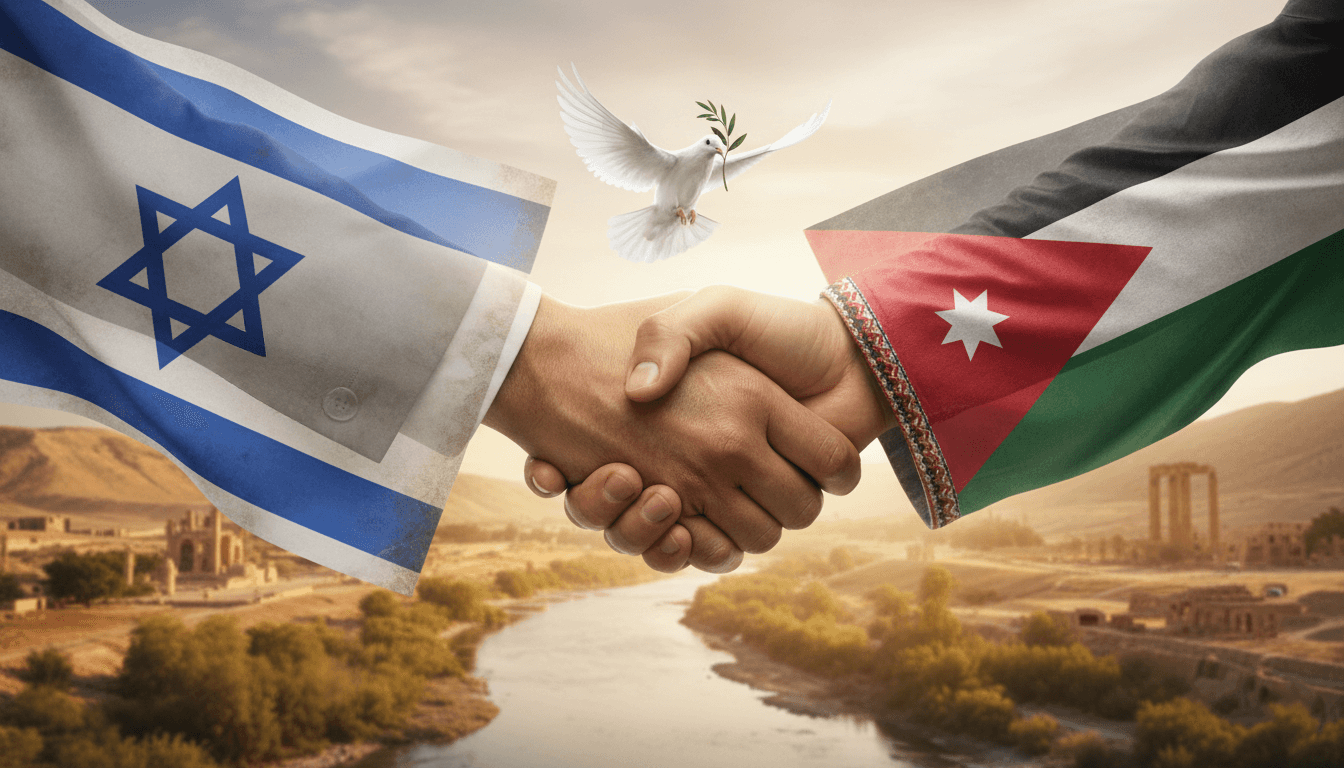
On October 26, 1994, Israel and Jordan officially turned from enemies into neighbors.
After decades of wars, hostilities, and secret diplomatic channels, the sound of handshakes finally replaced the sound of gunfire. But how did we get there?
Power Struggles and the Missed Palestinian Opportunity
Since Israel’s War of Independence, Jordan controlled the West Bank but avoided establishing a Palestinian state - not out of generosity, but out of fear that the Palestinians would challenge the Hashemite monarchy’s rule.
In the 1967 Six-Day War, after being drawn into the conflict with Israel, Jordan lost the West Bank and East Jerusalem.
During the 1970s, Jordan became a hub for Palestinian terrorist activity. In September 1970, King Hussein ordered a large-scale military operation against the PLO. The campaign, known as “Black September,” expelled the PLO to Lebanon and made Hussein’s position clear: Jordan is a Jordanian state, not a Palestinian one.
Despite this, Jordan continued to claim sovereignty over the West Bank until 1988, when it officially severed ties with the Palestinians following the First Intifada and fears that the unrest could spill into its own territory.
Secret Diplomacy and a Lost Opportunity
Despite years of tension, Israel and Jordan maintained secret diplomatic contacts for decades.
In 1987, Shimon Peres and King Hussein reached the “London Agreement,” but Israel’s then–Prime Minister Yitzhak Shamir opposed it, and the plan was never approved by the Israeli government.
By the early 1990s, the geopolitical landscape had changed: the collapse of the Soviet Union, the economic toll of the Gulf War on Jordan, and the momentum created by the Oslo Accords all paved the way for peace.
With U.S. support and in exchange for economic and security guarantees, Jordan moved decisively toward a formal peace treaty.
Main Points of the Treaty – Formal Peace, Shared Interests
The treaty defined agreed borders (primarily in the Arava region), regulated the division of water resources, and granted Jordan a special role in Jerusalem’s holy sites.
Israel pledged to respect Jordan’s sovereignty and cooperate in matters of security, trade, and tourism.
The treaty was signed in the Arava Valley, on the border between the two countries, in the presence of U.S. President Bill Clinton, and made Jordan the second Arab nation (after Egypt in 1979) to sign a peace with Israel.
The Arab world reacted with anger. Syria and Iraq accused Jordan of betrayal and of undermining Arab unity against Israel. The Palestinians expressed outrage, and within Jordan, the agreement was met with mixed emotions. Egypt chose to remain neutral.
Relations Today – A Cold Peace
Trade and economic ties have grown, but public support for the peace treaty within Jordan has eroded over the years.
The intifadas and ongoing conflict with the Palestinians distanced the Jordanian public from the idea of a “warm peace,” and relations have remained mostly pragmatic.
Over the years, the two countries have signed additional economic agreements, including the “Water for Energy” project, showing that cooperation continues even during political tension.
October 7 and Cracks in the Alliance
Since the 2023 “Iron Swords” War, Jordan, under King Abdulla, has taken a harsh public stance toward Israel, condemning its actions in Gaza and expressing support for the Palestinians.
Despite political disagreements, security coordination between Israel and Jordan remains among the strongest in the Middle East - including intelligence sharing, border coordination, counter-smuggling efforts, and joint security operations.
In April 2024, when Iran launched an unprecedented missile attack against Israel, Jordan helped intercept the threat, shooting down missiles that entered its airspace - a move reflecting its strategic considerations and commitment to regional stability.
Despite public criticism, both countries continue to maintain open security channels - a shared interest in countering Iran and terrorist organizations.
The Legacy – Stable or at Risk?
The Israel–Jordan Peace Treaty stands as a reminder that Israel is willing and capable of achieving peace with its former enemies.
Israel does not fight Islam or Arabs; it fights terrorist organizations and regimes that seek its destruction.
Even three decades after its signing, the peace with Jordan continues to demonstrate that peace in the Middle East is possible - when built on mutual interests, security, and respect.
עברית:
הסכם השלום עם ירדן
הסכם השלום עם ירדן: מאויבות ארוכת שנים לשותפות אסטרטגית
ב-26 באוקטובר 1994, ישראל וירדן הפכו מאויבות לשכנות רשמיות. אחרי עשרות שנים של מלחמות, עימותים וערוצים חשאיים, הגיע הרגע שבו לחיצות ידיים החליפו את רעמי התותחים. אבל איך הגענו לשם?
מאבקי שליטה ופספוס ההזדמנות הפלסטינית
מאז מלחמת העצמאות, ירדן שלטה בגדה המערבית אך נמנעה מהקמת מדינה פלסטינית. לא מתוך נדיבות, אלא מחשש שהפלסטינים יערערו על שלטון בית המלוכה ההאשמי.
במלחמת ששת הימים בשנת 1967, לאחר שנגררה לעימות מול ישראל, איבדה ירדן את הגדה המערבית ואת מזרח ירושלים.
בשנות השבעים הפכה ירדן לזירה לפעילות טרור פלסטינית, עד שבספטמבר 1970 הורה המלך חוסיין על מבצע צבאי קשה נגד ארגון אש"ף. המבצע, שנודע כ"ספטמבר השחור", הביא לגירוש אש"ף ללבנון והבהיר היטב את עמדתו של חוסיין - ירדן היא מדינה ירדנית, לא פלסטינית.
למרות זאת, ירדן המשיכה לטעון לריבונות בגדה עד שנת 1988, אז הודיעה על ניתוק הקשר הרשמי עם הפלסטינים בעקבות האינתיפאדה הראשונה והחשש שהמהומות יתפשטו לשטחה שלה
דיפלומטיה חשאית וההזדמנות שנפלה
למרות המתיחות, ישראל וירדן ניהלו שיחות חשאיות במשך שנים. ב-1987, שמעון פרס והמלך חוסיין סיכמו על "הסכם לונדון", אך ראש הממשלה הישראלי דאז, יצחק שמיר, התנגד וההסכם לא אושר בממשלה הישראלית. בתחילת שנות ה-90, המציאות השתנתה: התמוטטות ברית המועצות, פגיעת מלחמת המפרץ בכלכלה הירדנית והסכמי אוסלו נתנו רוח גבית לפיוס. בתמיכת ארה"ב ותמורת ערבויות לסיוע כלכלי וביטחוני, התקדמה ירדן בצעדי ענק לעבר הסכם שלום רשמי.
עיקרי ההסכם – שלום רשמי, אינטרסים משותפים
ההסכם קבע גבולות מוסכמים, בעיקר בערבה, הסדיר את חלוקת משאבי המים, והעניק לירדן תפקיד מיוחד במקומות הקדושים בירושלים. ישראל התחייבה לכבד את הריבונות הירדנית ולשתף פעולה בתחומי ביטחון, מסחר ותיירות.
ההסכם נחתם בערבה, בגבול בין שתי המדינות, במעמד נשיא ארה"ב ביל קלינטון, והפך את ירדן למדינה הערבית השנייה (אחרי מצרים ב־1979) שחותמת על שלום עם ישראל
העולם הערבי רתח. סוריה ועיראק האשימו את ירדן בבגידה ופגיעה באחדות הערבית נגד ישראל, הפלסטינים זעמו, ובתוך הממלכה עצמה – ההסכם התקבל ברגשות מעורבים. מצרים העדיפה להישאר ניטרלית.
היחסים היום – שלום קר
כלכלה וסחר צמחו, אך התמיכה הציבורית בירדן להסכם נשחקה. האינתיפאדות והסכסוכים עם הפלסטינים הרחיקו את הרחוב הירדני מהרעיון של שלום חם והיחסים נותרו בעיקר אינטרסיים.
לאורך השנים נחתמו הסכמים כלכליים בין המדינות, כמו פרויקט "מים תמורת חשמל", המעיד כי שיתוף הפעולה נמשך.
7 באוקטובר והסדקים בברית
מאז מלחמת "חרבות ברזל", ירדן בראשות המלך עבדאללה נקטה קו נוקשה מול ישראל, גינתה את פעולותיה בעזה ותמכה בפלסטינים.
לצד חילוקי דעות מדיניים, הקשרים הביטחוניים בין ישראל וירדן נחשבים מהיציבים במזרח התיכון וכוללים שיתוף מודיעין, תיאום גבולות, מניעת הברחות ופעילות ביטחונית משותפת.
באפריל 2024, כאשר איראן שיגרה מתקפת טילים חסרת תקדים לעבר ישראל, ירדן סייעה בסיכול האיום, תוך הפלת טילים שחדרו למרחב האווירי שלה – מהלך ששיקף את שיקוליה האסטרטגיים ואת מחויבותה ליציבות האזורית.
למרות הביקורת הפומבית, שני הצדדים שומרים על ערוצי ביטחון פתוחים, אינטרס משותף לבלימת איראן וארגוני טרור.
מורשת ההסכם – יציב או בסכנה?
הסכם השלום עם ירדן הוא תזכורת לכך שישראל מוכנה ומסוגלת להגיע להסכמים גם עם אויבותיה לשעבר. ישראל לא נלחמת באסלאם או בערבים, אלא בארגוני טרור ובמדינות שמטרתן להשמידה.
גם שלושה עשורים אחרי החתימה, ההסכם עם ירדן מוכיח ששלום במזרח התיכון אפשרי, כשהוא מבוסס על אינטרסים, ביטחון וכבוד הדדי.
תרגום לאנגלית-
Peace Agreement with Jordan
. Peace Agreement Between Israel and Jordan: From Bloody Conflict to Security Cooperation On October 26, 1994, Israel and Jordan transformed from enemies to official neighbors. After decades of wars, confrontations, and secret channels, the moment arrived when handshakes replaced the thunder of cannons. But how did we get there?
Power Struggles and Missing the Palestinian Opportunity Since the War of Independence, Jordan controlled the West Bank but avoided establishing a Palestinian state - not out of generosity, but fearing Palestinians would replace the Hashemite leadership. In 1967, after being drawn into the Six-Day War, Jordan lost the West Bank and East Jerusalem to Israel. Jordan became fertile ground for Palestinian terrorism - until 1970 when King Hussein launched a brutal offensive against the PLO, expelled them to Lebanon, and made it clear: Jordan is a Jordanian state, not Palestinian. Despite this, Jordan continued to claim sovereignty over the West Bank until 1988, when it completely disengaged due to the Intifada and fears that Palestinian riots would spread to their territory.
Secret Diplomacy and the Missed Opportunity Despite tensions, Israel and Jordan conducted secret talks for years. In 1987, Shimon Peres and King Hussein agreed on the "London Agreement," but Prime Minister Yitzhak Shamir opposed it and the agreement fell through. In the early 1990s, reality changed: the collapse of the Soviet Union, the impact of the Gulf War on Jordan's economy, and the Oslo Accords gave momentum to reconciliation. With US support and promises of economic aid, Jordan moved rapidly toward an official peace agreement.
Key Elements of the Agreement - Official Peace, Mutual Interests The agreement established agreed borders, mainly in the Arava, regulated water resource distribution, and gave Jordan a special role in Jerusalem's holy sites. Israel committed to respecting Jordanian sovereignty and cooperating in security, trade, and tourism. Jordan became the second Arab country, after Egypt (1979), to sign a peace treaty with Israel. The Arab world seethed. Syria and Iraq accused Jordan of treason, Palestinians were furious, and within the kingdom itself - the agreement was met with mixed feelings. Egypt preferred to remain neutral.
Relations Today - Cold Peace Economy and trade grew, but public support for the agreement in Jordan eroded. The Intifadas and conflicts with Palestinians distanced Jordanian public opinion from the idea of warm peace, and relations remained primarily interest-based.
October 7th and Cracks in the Alliance Since the "Iron Swords" war, Jordan has taken a hard line against Israel, condemned its actions in Gaza, and supported Palestinians. But beneath the surface - security cooperation and partnership continue. In April 2024, when Iran launched an unprecedented missile attack toward Israel, Jordan helped thwart the threat by shooting down missiles that entered its airspace - a move that reflected its strategic considerations and commitment to regional stability.
Legacy of the Agreement - Stable or in Danger? The peace agreement with Jordan is a reminder that the State of Israel is willing and prepared to reach agreements even with enemy states. The State of Israel is not fighting Islam or Arabs; it is fighting terrorist organizations and states that have made it their goal to eliminate the State of Israel.
Related ImagesAdditional Links / References / Sourceshttps://www.ynet.co.il/news/article/syxwzublyghttps://he.wikipedia.org/wiki/%D7%99%D7%97%D7%A1%D7%99_%D7%99%D7%A8%D7%93%D7%9F%E2%80%93%D7%99%D7%A9%D7%A8%D7%90%D7%9Chttps://he.wikipedia.org/wiki/%D7%94%D7%A1%D7%9B%D7%9D_%D7%94%D7%A9%D7%9C%D7%95%D7%9D_%D7%91%D7%99%D7%9F_%D7%99%D7%A9%D7%A8%D7%90%D7%9C_%D7%9C%D7%99%D7%A8%D7%93%D7%9F#https://www.ynet.co.il/news/article/yokra14123683#!/replaceNewsletter Registration