History
History
The Israel–Jordan Peace Treaty: From Longtime Enemies to Strategic Partners
The Israel–Jordan Peace Treaty: From Longtime Enemies to Strategic Partners
Nov 17, 2025
(Written by the Israel Digital Center. Date of writing: 11/10/25)
A historic agreement that reshaped the Middle East and continues to stand the test of time.
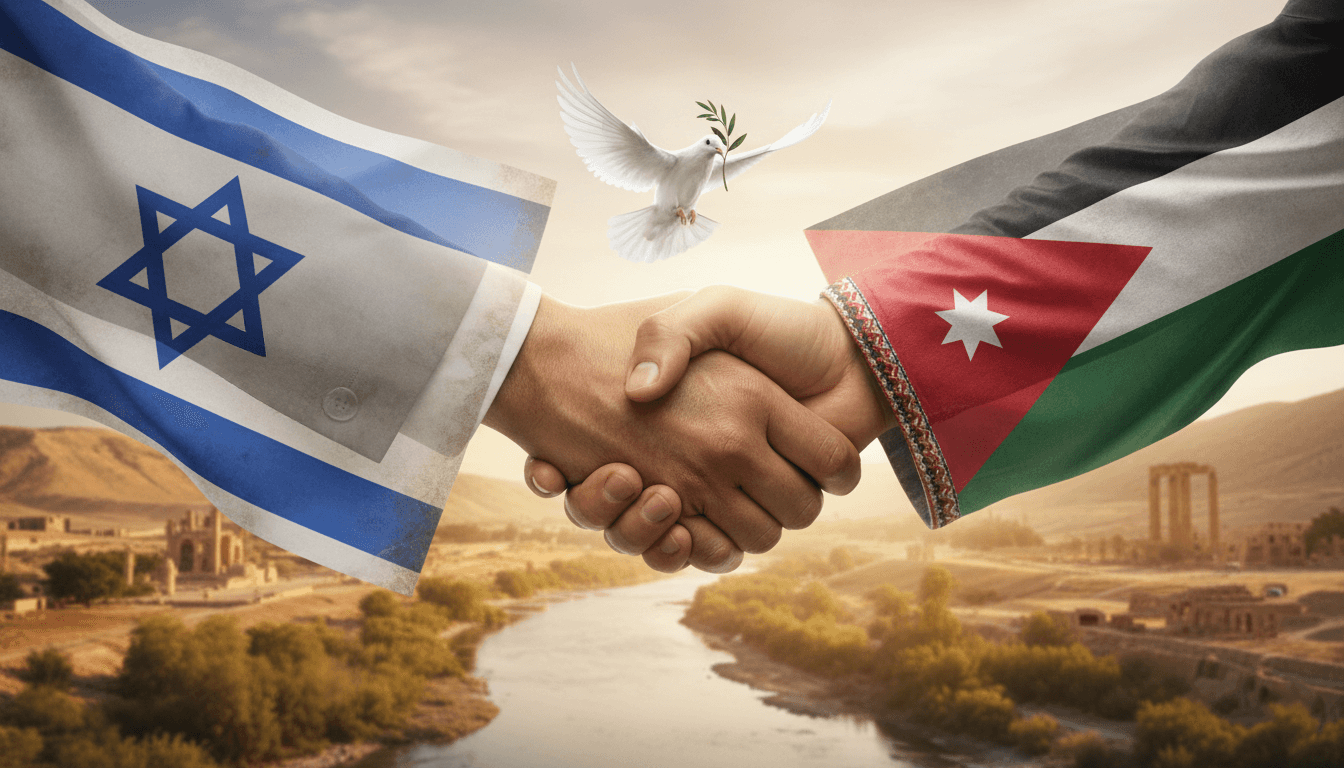
On October 26, 1994, Israel and Jordan officially turned from enemies into neighbors.
After decades of wars, hostilities, and secret diplomatic channels, the sound of handshakes finally replaced the sound of gunfire. But how did we get there?
Power Struggles and the Missed Palestinian Opportunity
Since Israel’s War of Independence, Jordan controlled the West Bank but avoided establishing a Palestinian state - not out of generosity, but out of fear that the Palestinians would challenge the Hashemite monarchy’s rule.
In the 1967 Six-Day War, after being drawn into the conflict with Israel, Jordan lost the West Bank and East Jerusalem.
During the 1970s, Jordan became a hub for Palestinian terrorist activity. In September 1970, King Hussein ordered a large-scale military operation against the PLO. The campaign, known as “Black September,” expelled the PLO to Lebanon and made Hussein’s position clear: Jordan is a Jordanian state, not a Palestinian one.
Despite this, Jordan continued to claim sovereignty over the West Bank until 1988, when it officially severed ties with the Palestinians following the First Intifada and fears that the unrest could spill into its own territory.
Secret Diplomacy and a Lost Opportunity
Despite years of tension, Israel and Jordan maintained secret diplomatic contacts for decades.
In 1987, Shimon Peres and King Hussein reached the “London Agreement,” but Israel’s then–Prime Minister Yitzhak Shamir opposed it, and the plan was never approved by the Israeli government.
By the early 1990s, the geopolitical landscape had changed: the collapse of the Soviet Union, the economic toll of the Gulf War on Jordan, and the momentum created by the Oslo Accords all paved the way for peace.
With U.S. support and in exchange for economic and security guarantees, Jordan moved decisively toward a formal peace treaty.
Main Points of the Treaty – Formal Peace, Shared Interests
The treaty defined agreed borders (primarily in the Arava region), regulated the division of water resources, and granted Jordan a special role in Jerusalem’s holy sites.
Israel pledged to respect Jordan’s sovereignty and cooperate in matters of security, trade, and tourism.
The treaty was signed in the Arava Valley, on the border between the two countries, in the presence of U.S. President Bill Clinton, and made Jordan the second Arab nation (after Egypt in 1979) to sign a peace with Israel.
The Arab world reacted with anger. Syria and Iraq accused Jordan of betrayal and of undermining Arab unity against Israel. The Palestinians expressed outrage, and within Jordan, the agreement was met with mixed emotions. Egypt chose to remain neutral.
Relations Today – A Cold Peace
Trade and economic ties have grown, but public support for the peace treaty within Jordan has eroded over the years.
The intifadas and ongoing conflict with the Palestinians distanced the Jordanian public from the idea of a “warm peace,” and relations have remained mostly pragmatic.
Over the years, the two countries have signed additional economic agreements, including the “Water for Energy” project, showing that cooperation continues even during political tension.
October 7 and Cracks in the Alliance
Since the 2023 “Iron Swords” War, Jordan, under King Abdulla, has taken a harsh public stance toward Israel, condemning its actions in Gaza and expressing support for the Palestinians.
Despite political disagreements, security coordination between Israel and Jordan remains among the strongest in the Middle East - including intelligence sharing, border coordination, counter-smuggling efforts, and joint security operations.
In April 2024, when Iran launched an unprecedented missile attack against Israel, Jordan helped intercept the threat, shooting down missiles that entered its airspace - a move reflecting its strategic considerations and commitment to regional stability.
Despite public criticism, both countries continue to maintain open security channels - a shared interest in countering Iran and terrorist organizations.
The Legacy – Stable or at Risk?
The Israel–Jordan Peace Treaty stands as a reminder that Israel is willing and capable of achieving peace with its former enemies.
Israel does not fight Islam or Arabs; it fights terrorist organizations and regimes that seek its destruction.
Even three decades after its signing, the peace with Jordan continues to demonstrate that peace in the Middle East is possible - when built on mutual interests, security, and respect.
Related ImagesAdditional Links / References / Sources
https://www.ynet.co.il/news/article/syxwzublyghttps://he.wikipedia.org/wiki/%D7%99%D7%97%D7%A1%D7%99_%D7%99%D7%A8%D7%93%D7%9F%E2%80%93%D7%99%D7%A9%D7%A8%D7%90%D7%9Chttps://he.wikipedia.org/wiki/%D7%94%D7%A1%D7%9B%D7%9D_%D7%94%D7%A9%D7%9C%D7%95%D7%9D_%D7%91%D7%99%D7%9F_%D7%99%D7%A9%D7%A8%D7%90%D7%9C_%D7%9C%D7%99%D7%A8%D7%93%D7%9F#https://www.ynet.co.il/news/article/yokra14123683#!/replaceNewsletter Registration
A former paratrooper and reserve commander takes us from the frontlines to the world stage — describing life in Sderot, fighting inside Gaza (Machon Al-Quds, Nuseirat, Beit Hanoun) and the trauma of October 7. He explains how close Gaza is to Israeli towns, recalls the 2005 Gush Katif withdrawal, and shares raw, personal scenes from months spent in active combat — then returning home to face a different battle: the rise of antisemitism worldwide. What you’ll hear in this video: • A frontline commander’s personal testimony about October 7 and the months that followed. • Firsthand descriptions of operations in Gaza (Nuseirat, Beit Hanoun) and daily threats from tunnels and armed militants. • Reflections on the 2005 Gaza withdrawal (Gush Katif) and what it meant for local communities. • The psychological shift from military duty back to civilian life and confronting global antisemitism.
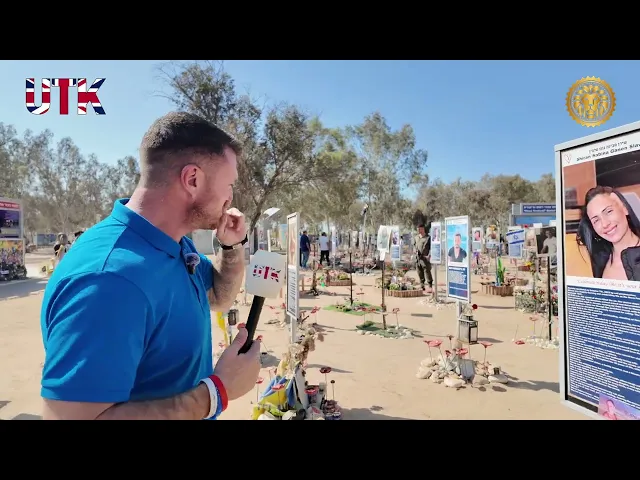
Tommy Robinson visits Re’im, the site of the Nova Festival massacre, during the two-year memorial of the October 7th atrocities. Hear the harrowing first-hand testimonies of survivors and witnesses as they recount what truly happened when Hamas terrorists attacked innocent festivalgoers. This is the raw, unfiltered truth of that dark day, as told by those who lived through it.

After watching previously unseen footage showing the massacre of 110 innocent people by Hamas on October 7th, Tommy Robinson shares his raw reaction and reflections. He speaks about what he witnessed, the mindset behind the attacks, and how the reality on the ground in Israel differs from what much of the media shows. This is not easy to watch — but it’s an honest account of what he saw and why he believes the world needs to understand the true nature of this conflict.

Today I visited the Kibbutz closest to the Gaza border. Where some 5,000 Hamas jihadist scum launched their attack on Israeli citizens on October 7th. I speak to this brave gentleman, Thomas Hand, whose 8 year old daughter was kidnapped by the terror group that day. Listen to the harrowing testimony of a father, one story, amongst thousands. Thank you for sharing your experience Thomas. This video is not for the feint of heart.
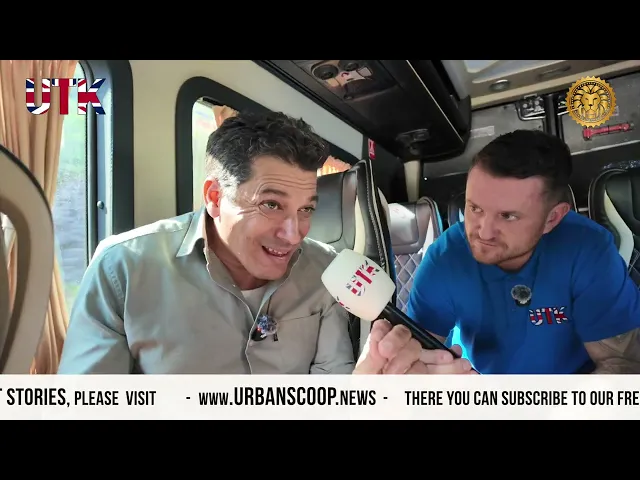
In this explosive interview, Amichai Chikli Minister of Diaspora Affairs of Israel delivers a powerful warning about the rise of radical Islam and the Muslim Brotherhood’s dangerous global ambitions, from establishing a Caliphate to imposing Sharia law across Europe and beyond. He slams the UK’s Labour government under Keir Starmer for its "fear-driven" approach to extremism, drawing chilling parallels to appeasement tactics before WWII. Discover why he believes Britain must act decisively to avoid a catastrophic wake-up call. Join the conversation on this critical fight for freedom and democracy!
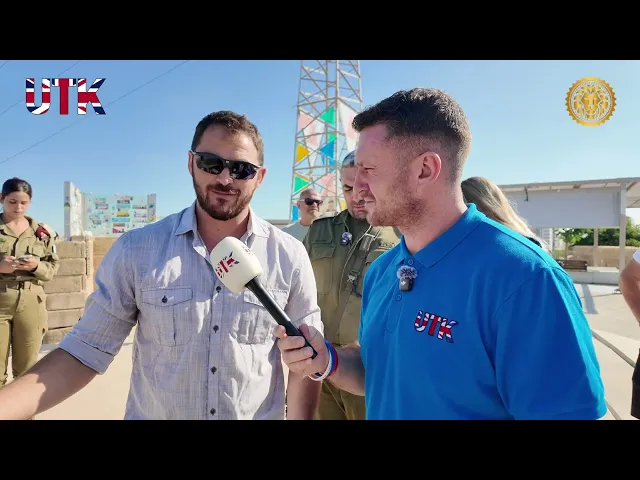
A former paratrooper and reserve commander takes us from the frontlines to the world stage — describing life in Sderot, fighting inside Gaza (Machon Al-Quds, Nuseirat, Beit Hanoun) and the trauma of October 7. He explains how close Gaza is to Israeli towns, recalls the 2005 Gush Katif withdrawal, and shares raw, personal scenes from months spent in active combat — then returning home to face a different battle: the rise of antisemitism worldwide. What you’ll hear in this video: • A frontline commander’s personal testimony about October 7 and the months that followed. • Firsthand descriptions of operations in Gaza (Nuseirat, Beit Hanoun) and daily threats from tunnels and armed militants. • Reflections on the 2005 Gaza withdrawal (Gush Katif) and what it meant for local communities. • The psychological shift from military duty back to civilian life and confronting global antisemitism.
Tommy Robinson visits Re’im, the site of the Nova Festival massacre, during the two-year memorial of the October 7th atrocities. Hear the harrowing first-hand testimonies of survivors and witnesses as they recount what truly happened when Hamas terrorists attacked innocent festivalgoers. This is the raw, unfiltered truth of that dark day, as told by those who lived through it.
After watching previously unseen footage showing the massacre of 110 innocent people by Hamas on October 7th, Tommy Robinson shares his raw reaction and reflections. He speaks about what he witnessed, the mindset behind the attacks, and how the reality on the ground in Israel differs from what much of the media shows. This is not easy to watch — but it’s an honest account of what he saw and why he believes the world needs to understand the true nature of this conflict.
Today I visited the Kibbutz closest to the Gaza border. Where some 5,000 Hamas jihadist scum launched their attack on Israeli citizens on October 7th. I speak to this brave gentleman, Thomas Hand, whose 8 year old daughter was kidnapped by the terror group that day. Listen to the harrowing testimony of a father, one story, amongst thousands. Thank you for sharing your experience Thomas. This video is not for the feint of heart.
In this explosive interview, Amichai Chikli Minister of Diaspora Affairs of Israel delivers a powerful warning about the rise of radical Islam and the Muslim Brotherhood’s dangerous global ambitions, from establishing a Caliphate to imposing Sharia law across Europe and beyond. He slams the UK’s Labour government under Keir Starmer for its "fear-driven" approach to extremism, drawing chilling parallels to appeasement tactics before WWII. Discover why he believes Britain must act decisively to avoid a catastrophic wake-up call. Join the conversation on this critical fight for freedom and democracy!
A former paratrooper and reserve commander takes us from the frontlines to the world stage — describing life in Sderot, fighting inside Gaza (Machon Al-Quds, Nuseirat, Beit Hanoun) and the trauma of October 7. He explains how close Gaza is to Israeli towns, recalls the 2005 Gush Katif withdrawal, and shares raw, personal scenes from months spent in active combat — then returning home to face a different battle: the rise of antisemitism worldwide. What you’ll hear in this video: • A frontline commander’s personal testimony about October 7 and the months that followed. • Firsthand descriptions of operations in Gaza (Nuseirat, Beit Hanoun) and daily threats from tunnels and armed militants. • Reflections on the 2005 Gaza withdrawal (Gush Katif) and what it meant for local communities. • The psychological shift from military duty back to civilian life and confronting global antisemitism.
Tommy Robinson visits Re’im, the site of the Nova Festival massacre, during the two-year memorial of the October 7th atrocities. Hear the harrowing first-hand testimonies of survivors and witnesses as they recount what truly happened when Hamas terrorists attacked innocent festivalgoers. This is the raw, unfiltered truth of that dark day, as told by those who lived through it.
After watching previously unseen footage showing the massacre of 110 innocent people by Hamas on October 7th, Tommy Robinson shares his raw reaction and reflections. He speaks about what he witnessed, the mindset behind the attacks, and how the reality on the ground in Israel differs from what much of the media shows. This is not easy to watch — but it’s an honest account of what he saw and why he believes the world needs to understand the true nature of this conflict.
Today I visited the Kibbutz closest to the Gaza border. Where some 5,000 Hamas jihadist scum launched their attack on Israeli citizens on October 7th. I speak to this brave gentleman, Thomas Hand, whose 8 year old daughter was kidnapped by the terror group that day. Listen to the harrowing testimony of a father, one story, amongst thousands. Thank you for sharing your experience Thomas. This video is not for the feint of heart.
In this explosive interview, Amichai Chikli Minister of Diaspora Affairs of Israel delivers a powerful warning about the rise of radical Islam and the Muslim Brotherhood’s dangerous global ambitions, from establishing a Caliphate to imposing Sharia law across Europe and beyond. He slams the UK’s Labour government under Keir Starmer for its "fear-driven" approach to extremism, drawing chilling parallels to appeasement tactics before WWII. Discover why he believes Britain must act decisively to avoid a catastrophic wake-up call. Join the conversation on this critical fight for freedom and democracy!
A former paratrooper and reserve commander takes us from the frontlines to the world stage — describing life in Sderot, fighting inside Gaza (Machon Al-Quds, Nuseirat, Beit Hanoun) and the trauma of October 7. He explains how close Gaza is to Israeli towns, recalls the 2005 Gush Katif withdrawal, and shares raw, personal scenes from months spent in active combat — then returning home to face a different battle: the rise of antisemitism worldwide. What you’ll hear in this video: • A frontline commander’s personal testimony about October 7 and the months that followed. • Firsthand descriptions of operations in Gaza (Nuseirat, Beit Hanoun) and daily threats from tunnels and armed militants. • Reflections on the 2005 Gaza withdrawal (Gush Katif) and what it meant for local communities. • The psychological shift from military duty back to civilian life and confronting global antisemitism.
Tommy Robinson visits Re’im, the site of the Nova Festival massacre, during the two-year memorial of the October 7th atrocities. Hear the harrowing first-hand testimonies of survivors and witnesses as they recount what truly happened when Hamas terrorists attacked innocent festivalgoers. This is the raw, unfiltered truth of that dark day, as told by those who lived through it.
After watching previously unseen footage showing the massacre of 110 innocent people by Hamas on October 7th, Tommy Robinson shares his raw reaction and reflections. He speaks about what he witnessed, the mindset behind the attacks, and how the reality on the ground in Israel differs from what much of the media shows. This is not easy to watch — but it’s an honest account of what he saw and why he believes the world needs to understand the true nature of this conflict.
Today I visited the Kibbutz closest to the Gaza border. Where some 5,000 Hamas jihadist scum launched their attack on Israeli citizens on October 7th. I speak to this brave gentleman, Thomas Hand, whose 8 year old daughter was kidnapped by the terror group that day. Listen to the harrowing testimony of a father, one story, amongst thousands. Thank you for sharing your experience Thomas. This video is not for the feint of heart.
In this explosive interview, Amichai Chikli Minister of Diaspora Affairs of Israel delivers a powerful warning about the rise of radical Islam and the Muslim Brotherhood’s dangerous global ambitions, from establishing a Caliphate to imposing Sharia law across Europe and beyond. He slams the UK’s Labour government under Keir Starmer for its "fear-driven" approach to extremism, drawing chilling parallels to appeasement tactics before WWII. Discover why he believes Britain must act decisively to avoid a catastrophic wake-up call. Join the conversation on this critical fight for freedom and democracy!
A former paratrooper and reserve commander takes us from the frontlines to the world stage — describing life in Sderot, fighting inside Gaza (Machon Al-Quds, Nuseirat, Beit Hanoun) and the trauma of October 7. He explains how close Gaza is to Israeli towns, recalls the 2005 Gush Katif withdrawal, and shares raw, personal scenes from months spent in active combat — then returning home to face a different battle: the rise of antisemitism worldwide. What you’ll hear in this video: • A frontline commander’s personal testimony about October 7 and the months that followed. • Firsthand descriptions of operations in Gaza (Nuseirat, Beit Hanoun) and daily threats from tunnels and armed militants. • Reflections on the 2005 Gaza withdrawal (Gush Katif) and what it meant for local communities. • The psychological shift from military duty back to civilian life and confronting global antisemitism.
Tommy Robinson visits Re’im, the site of the Nova Festival massacre, during the two-year memorial of the October 7th atrocities. Hear the harrowing first-hand testimonies of survivors and witnesses as they recount what truly happened when Hamas terrorists attacked innocent festivalgoers. This is the raw, unfiltered truth of that dark day, as told by those who lived through it.
After watching previously unseen footage showing the massacre of 110 innocent people by Hamas on October 7th, Tommy Robinson shares his raw reaction and reflections. He speaks about what he witnessed, the mindset behind the attacks, and how the reality on the ground in Israel differs from what much of the media shows. This is not easy to watch — but it’s an honest account of what he saw and why he believes the world needs to understand the true nature of this conflict.
Today I visited the Kibbutz closest to the Gaza border. Where some 5,000 Hamas jihadist scum launched their attack on Israeli citizens on October 7th. I speak to this brave gentleman, Thomas Hand, whose 8 year old daughter was kidnapped by the terror group that day. Listen to the harrowing testimony of a father, one story, amongst thousands. Thank you for sharing your experience Thomas. This video is not for the feint of heart.
In this explosive interview, Amichai Chikli Minister of Diaspora Affairs of Israel delivers a powerful warning about the rise of radical Islam and the Muslim Brotherhood’s dangerous global ambitions, from establishing a Caliphate to imposing Sharia law across Europe and beyond. He slams the UK’s Labour government under Keir Starmer for its "fear-driven" approach to extremism, drawing chilling parallels to appeasement tactics before WWII. Discover why he believes Britain must act decisively to avoid a catastrophic wake-up call. Join the conversation on this critical fight for freedom and democracy!
A former paratrooper and reserve commander takes us from the frontlines to the world stage — describing life in Sderot, fighting inside Gaza (Machon Al-Quds, Nuseirat, Beit Hanoun) and the trauma of October 7. He explains how close Gaza is to Israeli towns, recalls the 2005 Gush Katif withdrawal, and shares raw, personal scenes from months spent in active combat — then returning home to face a different battle: the rise of antisemitism worldwide. What you’ll hear in this video: • A frontline commander’s personal testimony about October 7 and the months that followed. • Firsthand descriptions of operations in Gaza (Nuseirat, Beit Hanoun) and daily threats from tunnels and armed militants. • Reflections on the 2005 Gaza withdrawal (Gush Katif) and what it meant for local communities. • The psychological shift from military duty back to civilian life and confronting global antisemitism.
Tommy Robinson visits Re’im, the site of the Nova Festival massacre, during the two-year memorial of the October 7th atrocities. Hear the harrowing first-hand testimonies of survivors and witnesses as they recount what truly happened when Hamas terrorists attacked innocent festivalgoers. This is the raw, unfiltered truth of that dark day, as told by those who lived through it.
After watching previously unseen footage showing the massacre of 110 innocent people by Hamas on October 7th, Tommy Robinson shares his raw reaction and reflections. He speaks about what he witnessed, the mindset behind the attacks, and how the reality on the ground in Israel differs from what much of the media shows. This is not easy to watch — but it’s an honest account of what he saw and why he believes the world needs to understand the true nature of this conflict.
Today I visited the Kibbutz closest to the Gaza border. Where some 5,000 Hamas jihadist scum launched their attack on Israeli citizens on October 7th. I speak to this brave gentleman, Thomas Hand, whose 8 year old daughter was kidnapped by the terror group that day. Listen to the harrowing testimony of a father, one story, amongst thousands. Thank you for sharing your experience Thomas. This video is not for the feint of heart.
In this explosive interview, Amichai Chikli Minister of Diaspora Affairs of Israel delivers a powerful warning about the rise of radical Islam and the Muslim Brotherhood’s dangerous global ambitions, from establishing a Caliphate to imposing Sharia law across Europe and beyond. He slams the UK’s Labour government under Keir Starmer for its "fear-driven" approach to extremism, drawing chilling parallels to appeasement tactics before WWII. Discover why he believes Britain must act decisively to avoid a catastrophic wake-up call. Join the conversation on this critical fight for freedom and democracy!
A former paratrooper and reserve commander takes us from the frontlines to the world stage — describing life in Sderot, fighting inside Gaza (Machon Al-Quds, Nuseirat, Beit Hanoun) and the trauma of October 7. He explains how close Gaza is to Israeli towns, recalls the 2005 Gush Katif withdrawal, and shares raw, personal scenes from months spent in active combat — then returning home to face a different battle: the rise of antisemitism worldwide. What you’ll hear in this video: • A frontline commander’s personal testimony about October 7 and the months that followed. • Firsthand descriptions of operations in Gaza (Nuseirat, Beit Hanoun) and daily threats from tunnels and armed militants. • Reflections on the 2005 Gaza withdrawal (Gush Katif) and what it meant for local communities. • The psychological shift from military duty back to civilian life and confronting global antisemitism.
Tommy Robinson visits Re’im, the site of the Nova Festival massacre, during the two-year memorial of the October 7th atrocities. Hear the harrowing first-hand testimonies of survivors and witnesses as they recount what truly happened when Hamas terrorists attacked innocent festivalgoers. This is the raw, unfiltered truth of that dark day, as told by those who lived through it.
After watching previously unseen footage showing the massacre of 110 innocent people by Hamas on October 7th, Tommy Robinson shares his raw reaction and reflections. He speaks about what he witnessed, the mindset behind the attacks, and how the reality on the ground in Israel differs from what much of the media shows. This is not easy to watch — but it’s an honest account of what he saw and why he believes the world needs to understand the true nature of this conflict.
Today I visited the Kibbutz closest to the Gaza border. Where some 5,000 Hamas jihadist scum launched their attack on Israeli citizens on October 7th. I speak to this brave gentleman, Thomas Hand, whose 8 year old daughter was kidnapped by the terror group that day. Listen to the harrowing testimony of a father, one story, amongst thousands. Thank you for sharing your experience Thomas. This video is not for the feint of heart.
In this explosive interview, Amichai Chikli Minister of Diaspora Affairs of Israel delivers a powerful warning about the rise of radical Islam and the Muslim Brotherhood’s dangerous global ambitions, from establishing a Caliphate to imposing Sharia law across Europe and beyond. He slams the UK’s Labour government under Keir Starmer for its "fear-driven" approach to extremism, drawing chilling parallels to appeasement tactics before WWII. Discover why he believes Britain must act decisively to avoid a catastrophic wake-up call. Join the conversation on this critical fight for freedom and democracy!
A former paratrooper and reserve commander takes us from the frontlines to the world stage — describing life in Sderot, fighting inside Gaza (Machon Al-Quds, Nuseirat, Beit Hanoun) and the trauma of October 7. He explains how close Gaza is to Israeli towns, recalls the 2005 Gush Katif withdrawal, and shares raw, personal scenes from months spent in active combat — then returning home to face a different battle: the rise of antisemitism worldwide. What you’ll hear in this video: • A frontline commander’s personal testimony about October 7 and the months that followed. • Firsthand descriptions of operations in Gaza (Nuseirat, Beit Hanoun) and daily threats from tunnels and armed militants. • Reflections on the 2005 Gaza withdrawal (Gush Katif) and what it meant for local communities. • The psychological shift from military duty back to civilian life and confronting global antisemitism.
Tommy Robinson visits Re’im, the site of the Nova Festival massacre, during the two-year memorial of the October 7th atrocities. Hear the harrowing first-hand testimonies of survivors and witnesses as they recount what truly happened when Hamas terrorists attacked innocent festivalgoers. This is the raw, unfiltered truth of that dark day, as told by those who lived through it.
After watching previously unseen footage showing the massacre of 110 innocent people by Hamas on October 7th, Tommy Robinson shares his raw reaction and reflections. He speaks about what he witnessed, the mindset behind the attacks, and how the reality on the ground in Israel differs from what much of the media shows. This is not easy to watch — but it’s an honest account of what he saw and why he believes the world needs to understand the true nature of this conflict.
Today I visited the Kibbutz closest to the Gaza border. Where some 5,000 Hamas jihadist scum launched their attack on Israeli citizens on October 7th. I speak to this brave gentleman, Thomas Hand, whose 8 year old daughter was kidnapped by the terror group that day. Listen to the harrowing testimony of a father, one story, amongst thousands. Thank you for sharing your experience Thomas. This video is not for the feint of heart.
In this explosive interview, Amichai Chikli Minister of Diaspora Affairs of Israel delivers a powerful warning about the rise of radical Islam and the Muslim Brotherhood’s dangerous global ambitions, from establishing a Caliphate to imposing Sharia law across Europe and beyond. He slams the UK’s Labour government under Keir Starmer for its "fear-driven" approach to extremism, drawing chilling parallels to appeasement tactics before WWII. Discover why he believes Britain must act decisively to avoid a catastrophic wake-up call. Join the conversation on this critical fight for freedom and democracy!
A former paratrooper and reserve commander takes us from the frontlines to the world stage — describing life in Sderot, fighting inside Gaza (Machon Al-Quds, Nuseirat, Beit Hanoun) and the trauma of October 7. He explains how close Gaza is to Israeli towns, recalls the 2005 Gush Katif withdrawal, and shares raw, personal scenes from months spent in active combat — then returning home to face a different battle: the rise of antisemitism worldwide. What you’ll hear in this video: • A frontline commander’s personal testimony about October 7 and the months that followed. • Firsthand descriptions of operations in Gaza (Nuseirat, Beit Hanoun) and daily threats from tunnels and armed militants. • Reflections on the 2005 Gaza withdrawal (Gush Katif) and what it meant for local communities. • The psychological shift from military duty back to civilian life and confronting global antisemitism.
Tommy Robinson visits Re’im, the site of the Nova Festival massacre, during the two-year memorial of the October 7th atrocities. Hear the harrowing first-hand testimonies of survivors and witnesses as they recount what truly happened when Hamas terrorists attacked innocent festivalgoers. This is the raw, unfiltered truth of that dark day, as told by those who lived through it.
After watching previously unseen footage showing the massacre of 110 innocent people by Hamas on October 7th, Tommy Robinson shares his raw reaction and reflections. He speaks about what he witnessed, the mindset behind the attacks, and how the reality on the ground in Israel differs from what much of the media shows. This is not easy to watch — but it’s an honest account of what he saw and why he believes the world needs to understand the true nature of this conflict.
Today I visited the Kibbutz closest to the Gaza border. Where some 5,000 Hamas jihadist scum launched their attack on Israeli citizens on October 7th. I speak to this brave gentleman, Thomas Hand, whose 8 year old daughter was kidnapped by the terror group that day. Listen to the harrowing testimony of a father, one story, amongst thousands. Thank you for sharing your experience Thomas. This video is not for the feint of heart.
In this explosive interview, Amichai Chikli Minister of Diaspora Affairs of Israel delivers a powerful warning about the rise of radical Islam and the Muslim Brotherhood’s dangerous global ambitions, from establishing a Caliphate to imposing Sharia law across Europe and beyond. He slams the UK’s Labour government under Keir Starmer for its "fear-driven" approach to extremism, drawing chilling parallels to appeasement tactics before WWII. Discover why he believes Britain must act decisively to avoid a catastrophic wake-up call. Join the conversation on this critical fight for freedom and democracy!
A former paratrooper and reserve commander takes us from the frontlines to the world stage — describing life in Sderot, fighting inside Gaza (Machon Al-Quds, Nuseirat, Beit Hanoun) and the trauma of October 7. He explains how close Gaza is to Israeli towns, recalls the 2005 Gush Katif withdrawal, and shares raw, personal scenes from months spent in active combat — then returning home to face a different battle: the rise of antisemitism worldwide. What you’ll hear in this video: • A frontline commander’s personal testimony about October 7 and the months that followed. • Firsthand descriptions of operations in Gaza (Nuseirat, Beit Hanoun) and daily threats from tunnels and armed militants. • Reflections on the 2005 Gaza withdrawal (Gush Katif) and what it meant for local communities. • The psychological shift from military duty back to civilian life and confronting global antisemitism.
Tommy Robinson visits Re’im, the site of the Nova Festival massacre, during the two-year memorial of the October 7th atrocities. Hear the harrowing first-hand testimonies of survivors and witnesses as they recount what truly happened when Hamas terrorists attacked innocent festivalgoers. This is the raw, unfiltered truth of that dark day, as told by those who lived through it.
After watching previously unseen footage showing the massacre of 110 innocent people by Hamas on October 7th, Tommy Robinson shares his raw reaction and reflections. He speaks about what he witnessed, the mindset behind the attacks, and how the reality on the ground in Israel differs from what much of the media shows. This is not easy to watch — but it’s an honest account of what he saw and why he believes the world needs to understand the true nature of this conflict.
Today I visited the Kibbutz closest to the Gaza border. Where some 5,000 Hamas jihadist scum launched their attack on Israeli citizens on October 7th. I speak to this brave gentleman, Thomas Hand, whose 8 year old daughter was kidnapped by the terror group that day. Listen to the harrowing testimony of a father, one story, amongst thousands. Thank you for sharing your experience Thomas. This video is not for the feint of heart.
In this explosive interview, Amichai Chikli Minister of Diaspora Affairs of Israel delivers a powerful warning about the rise of radical Islam and the Muslim Brotherhood’s dangerous global ambitions, from establishing a Caliphate to imposing Sharia law across Europe and beyond. He slams the UK’s Labour government under Keir Starmer for its "fear-driven" approach to extremism, drawing chilling parallels to appeasement tactics before WWII. Discover why he believes Britain must act decisively to avoid a catastrophic wake-up call. Join the conversation on this critical fight for freedom and democracy!
A former paratrooper and reserve commander takes us from the frontlines to the world stage — describing life in Sderot, fighting inside Gaza (Machon Al-Quds, Nuseirat, Beit Hanoun) and the trauma of October 7. He explains how close Gaza is to Israeli towns, recalls the 2005 Gush Katif withdrawal, and shares raw, personal scenes from months spent in active combat — then returning home to face a different battle: the rise of antisemitism worldwide. What you’ll hear in this video: • A frontline commander’s personal testimony about October 7 and the months that followed. • Firsthand descriptions of operations in Gaza (Nuseirat, Beit Hanoun) and daily threats from tunnels and armed militants. • Reflections on the 2005 Gaza withdrawal (Gush Katif) and what it meant for local communities. • The psychological shift from military duty back to civilian life and confronting global antisemitism.
Tommy Robinson visits Re’im, the site of the Nova Festival massacre, during the two-year memorial of the October 7th atrocities. Hear the harrowing first-hand testimonies of survivors and witnesses as they recount what truly happened when Hamas terrorists attacked innocent festivalgoers. This is the raw, unfiltered truth of that dark day, as told by those who lived through it.
After watching previously unseen footage showing the massacre of 110 innocent people by Hamas on October 7th, Tommy Robinson shares his raw reaction and reflections. He speaks about what he witnessed, the mindset behind the attacks, and how the reality on the ground in Israel differs from what much of the media shows. This is not easy to watch — but it’s an honest account of what he saw and why he believes the world needs to understand the true nature of this conflict.
Today I visited the Kibbutz closest to the Gaza border. Where some 5,000 Hamas jihadist scum launched their attack on Israeli citizens on October 7th. I speak to this brave gentleman, Thomas Hand, whose 8 year old daughter was kidnapped by the terror group that day. Listen to the harrowing testimony of a father, one story, amongst thousands. Thank you for sharing your experience Thomas. This video is not for the feint of heart.
In this explosive interview, Amichai Chikli Minister of Diaspora Affairs of Israel delivers a powerful warning about the rise of radical Islam and the Muslim Brotherhood’s dangerous global ambitions, from establishing a Caliphate to imposing Sharia law across Europe and beyond. He slams the UK’s Labour government under Keir Starmer for its "fear-driven" approach to extremism, drawing chilling parallels to appeasement tactics before WWII. Discover why he believes Britain must act decisively to avoid a catastrophic wake-up call. Join the conversation on this critical fight for freedom and democracy!
A former paratrooper and reserve commander takes us from the frontlines to the world stage — describing life in Sderot, fighting inside Gaza (Machon Al-Quds, Nuseirat, Beit Hanoun) and the trauma of October 7. He explains how close Gaza is to Israeli towns, recalls the 2005 Gush Katif withdrawal, and shares raw, personal scenes from months spent in active combat — then returning home to face a different battle: the rise of antisemitism worldwide. What you’ll hear in this video: • A frontline commander’s personal testimony about October 7 and the months that followed. • Firsthand descriptions of operations in Gaza (Nuseirat, Beit Hanoun) and daily threats from tunnels and armed militants. • Reflections on the 2005 Gaza withdrawal (Gush Katif) and what it meant for local communities. • The psychological shift from military duty back to civilian life and confronting global antisemitism.
Tommy Robinson visits Re’im, the site of the Nova Festival massacre, during the two-year memorial of the October 7th atrocities. Hear the harrowing first-hand testimonies of survivors and witnesses as they recount what truly happened when Hamas terrorists attacked innocent festivalgoers. This is the raw, unfiltered truth of that dark day, as told by those who lived through it.
After watching previously unseen footage showing the massacre of 110 innocent people by Hamas on October 7th, Tommy Robinson shares his raw reaction and reflections. He speaks about what he witnessed, the mindset behind the attacks, and how the reality on the ground in Israel differs from what much of the media shows. This is not easy to watch — but it’s an honest account of what he saw and why he believes the world needs to understand the true nature of this conflict.
Today I visited the Kibbutz closest to the Gaza border. Where some 5,000 Hamas jihadist scum launched their attack on Israeli citizens on October 7th. I speak to this brave gentleman, Thomas Hand, whose 8 year old daughter was kidnapped by the terror group that day. Listen to the harrowing testimony of a father, one story, amongst thousands. Thank you for sharing your experience Thomas. This video is not for the feint of heart.
In this explosive interview, Amichai Chikli Minister of Diaspora Affairs of Israel delivers a powerful warning about the rise of radical Islam and the Muslim Brotherhood’s dangerous global ambitions, from establishing a Caliphate to imposing Sharia law across Europe and beyond. He slams the UK’s Labour government under Keir Starmer for its "fear-driven" approach to extremism, drawing chilling parallels to appeasement tactics before WWII. Discover why he believes Britain must act decisively to avoid a catastrophic wake-up call. Join the conversation on this critical fight for freedom and democracy!

Contact Us
Contact Us
Writers, other artists who are interested in taking part, we are here for any request, question, or idea

About us
Lorem ipsum dolor sit amet, consectetur adipiscing elit. Aliquam sodales orci nec quam fringilla, in viverra nisl viverra. Pellentesque quis erat dolor. In elementum egestas fringilla.
Lorem ipsum dolor sit amet, consectetur adipiscing elit. Aliquam sodales orci nec quam fringilla, in viverra nisl viverra. Pellentesque quis erat dolor. In elementum egestas fringilla.
All rights reserved to Israel Digital Center | Official Website 2025
All rights reserved to Israel Digital Center | Official Website 2025
ISRAEL DIGITAL CENTER




Follow us
About us
Lorem ipsum dolor sit amet, consectetur adipiscing elit. Aliquam sodales orci nec quam fringilla, in viverra nisl viverra. Pellentesque quis erat dolor. In elementum egestas fringilla.
All rights reserved to Israel Digital Center
| Official Website 2025