



Nov 29, 2025

Watch on youtube
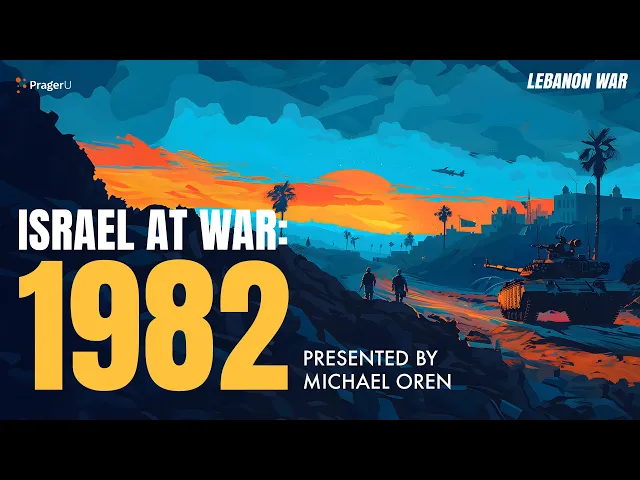
The Lebanon War – PragerU
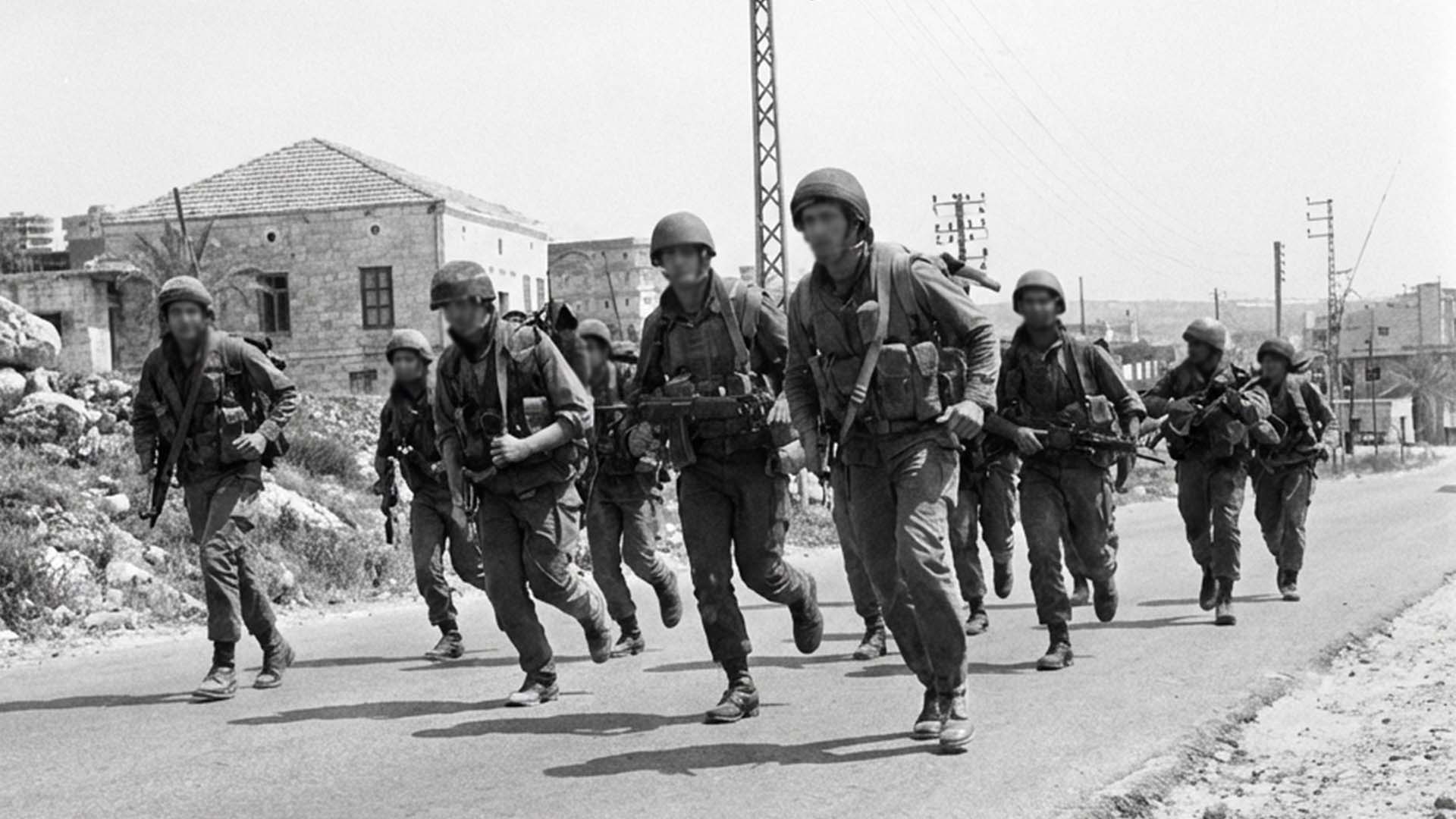
At dawn on June 6, 1982, 60,000 Israeli troops, accompanied by 800 tanks, stormed across Israel’s northern border into Lebanon.
So began the fifth Arab-Israeli war — a war that the Israeli government officially dubbed Operation Peace for Galilee, but the rest of the world called the Lebanon War.
An old adage holds that everyone knows how wars begin, but nobody knows how they end. That was certainly true in Lebanon.
The war’s roots could be traced back to Israel’s struggle for independence in 1948, when more than 100,000 Palestinians fled to Lebanon. They were kept in refugee camps, which became hotbeds of radicalism.
Then, after the Palestinians’ defeat in the Jordanian Civil War of 1970, another 200,000 Palestinians fled to Lebanon — along with numerous terrorist groups. Chief among these was the Palestine Liberation Organization (PLO), under Yasser Arafat.
The massive influx of armed Palestinians upset Lebanon’s delicate balance between Christians, Druze, and Muslims.
It led, five years later, to the outbreak of civil war in Lebanon and hundreds of thousands of casualties.
Syria exploited the conflict to occupy large parts of the country, while the terrorists turned their sights on Israel — firing rockets into the Galilee and attacking northern border communities.
In March 1978, terrorists landed on a beach between Tel Aviv and Haifa and attacked the nearby highway, killing 38 civilians, many of them children.
Israel responded by invading southern Lebanon. The Litani Operation succeeded in pushing the terrorists back from the border — but only temporarily.
The PLO attacks continued, not only from Lebanon, but also from the West Bank and Gaza, and even abroad against Jews and Israelis.
Israel struck back, hitting PLO bases, and formed an alliance with Bashir Gemayel, the leader of the Lebanese Christian militia.
Israeli Defense Minister Ariel Sharon believed that, together with the Christians, Israel could drive the PLO and the Syrians out of Lebanon and replace them with a pro-Western government that would make peace with Israel.
“The entire Middle East would be altered,” Sharon asserted — and he convinced Israeli Prime Minister Menachem Begin of the plan.
Israeli forces were ready to strike.
On June 3, 1982, Shlomo Argov, Israel’s ambassador to Great Britain, was shot in the head by a Palestinian terrorist and left permanently disabled.
The next day, the Israeli government approved Operation Big Pines, designed to push the PLO 25 miles away from the border.
But a secret part of the plan also provided for the possibility that the IDF would push further north to drive Syrian forces out of Lebanon.
Two Israeli divisions crossed the border — one heading north along the coastal road and the other heading east to outflank the Syrians.
Between the two columns towered Beaufort Castle, a medieval stronghold that served as the PLO’s fort.
It was taken after a bloody battle by Golani Brigade commandos.
On both fronts the fighting was fierce, yet everywhere Israeli arms prevailed.
The Air Force shot down 100 Syrian jets and helicopters without suffering a single loss.
By the end of June, Israel was besieging Beirut.
Through American mediation, Syrian troops evacuated the area, and some 6,500 PLO terrorists — most notably among them Yasser Arafat — boarded boats for Tunisia.
Operation Big Pines appeared to be on the verge of an historic success.
But it was not to be.
On September 14, Gemayel was assassinated by a massive car bomb.
Avenging his death, Christian militiamen entered the Sabra and Shatila refugee camps and slaughtered hundreds of civilians.
The IDF, which failed to prevent the massacre, was accused by much of the international community of perpetrating it.
Menachem Begin’s response was: “Christians kill Muslims, and the world blames the Jews.”
Israel subsequently pulled back to what it called the security zone along its northern border.
U.S. soldiers, led by the Marines, took the Israelis’ place in Beirut, fighting against Muslim and Druze militias.
On October 23, 1983, a Shiite suicide bomber struck their headquarters, killing 241.
The United States later withdrew from Lebanon as well.
Operation Big Pines succeeded in driving both the PLO and Syria from Lebanon — but it failed to realize its vision of peace.
Bashir Gemayel’s brother Amin cut off ties with Israel.
Begin resigned, and Ariel Sharon was forced from office.
But the long-term effects of the Lebanon War would be felt for decades.
The vacuum created by the withdrawal of the PLO and Syria from Lebanon was filled by an Iranian-backed Shiite militia — Hezbollah.
Its repeated attacks on Israeli troops convinced Israel that the cost of remaining in Lebanon was too high.
The IDF withdrew from Lebanon entirely in May 2000 — but Hezbollah continues to threaten Israel to this day.
Had Israel been able to make a peace agreement with Lebanon in the 1980s, it would have changed the Middle East for the better.
But rather than bringing peace, the Lebanon War once again revealed the core cause of the Middle East conflict: the refusal to accept the Jewish state.
As long as that refusal persists, there will be no peace.
— Michael Oren, author of “Six Days of War,” for Prager University.


Writers, other artists who are interested in taking part, we are here for any request, question, or idea